


Products
| Raw materials for paints | Foundry | Production of anti-icing reagents | Agriculture |
| Agrochemistry | Metallurgy |
Production of detergents , household and automobile chemistry
|
Textile industry
|
| Water treatment |
Oil production and gold mining
|
Production of PVC polymers
|
Tselyullozno paper industry
|
| Cosmetic and medical industry | Food Chemistry |
Manufacture of rubber products
|

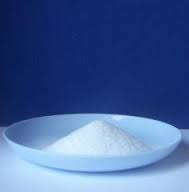
- Характеристики:
Appearance White crystalline powder Basic substance content (HEDP) %: 90.0 мин Content of the main substance (HEDP.H2O) (%): 98.0 мин pH (1% solution) at 20°C 2.0 макс Phosphorous acid PO3 (%) 1.0 мин Phosphoric acid PO4 (%): 0.5 макс Chlorides Cl, ppm 50.0 макс Iron mg / L 10.0 макс Oxyethylidene diphosphonic acid is a white powder with a grayish or beige tint, readily soluble in water, acids, alkalis, methanol and ethanol.
Synonyms and international names
OEDP ACID, OEDPA, 1-hydroxyethane-1,1-diphosphonic acid
English. spelling: 1-hydroxy ethylidene-1,1-diphosphonic acid, HEDP
Oxyethylidene diphosphonic acid is a white powder with a grayish or beige tint, readily soluble in water, acids, alkalis, methanol and ethanol.
- Применение:
Application
-
as a scale inhibitor in oil production processes;
-
in the pulp and paper industry in the process of bleaching all types of cellulose at the stage of chelation;
-
as a complexing agent in the chemical and textile industries;
-
as a scale inhibitor for hot water supply systems with an open water intake, in circulating cooling systems of industrial enterprises and thermal power plants,
-
in closed heat supply systems, in hot water supply systems, as well as as a reagent for washing scale deposits at various industrial facilities;
-
for the control of plant diseases in agriculture.
Used with this product:
- Nitrilotrimethylphosphonic acid (NTF)
- Trilon B disodium salt
- Trilon B tetrasodium salt
- Alpha olefin sodium sulfonate (AOS, AOS)
- Lauric acid
- AMPS (AA / AMPS, acrylic acid)
- Paratoluenesulfonic acid (PTSA) -
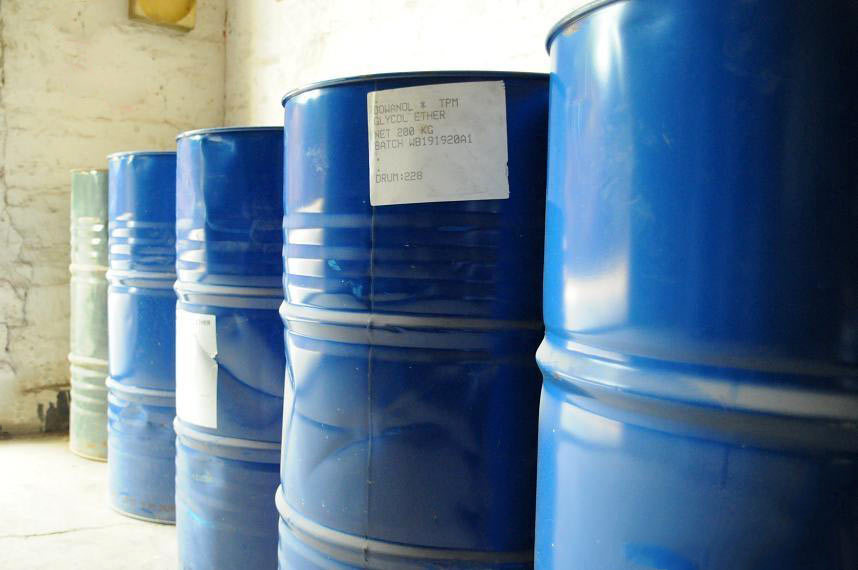
- Характеристики:
Purity % 99,5% Color (APHA) Max 10 Acidity % Max 0,02% Boiling point °С: 140°С-150°С Water content %: Max 0,02% Flash point, °С: 45,5 °С Synonyms and international names
Methoxypropyl Acetate (PMA, PGMEA, Propylene Glycol Monomethyl Ether Acetate, 1-Methoxy-2-Propanol Acetate, 1-Methoxy-2-Propyl Acetate)
- Применение:
Application
• printing industry;
• paint and varnish industry;
• Automotive industry.
Propylene Glycol Monomethyl Ether Acetate (PMA) is effectively used for cleaning industrial equipment. Speeds up the printing process (ink dries faster), which is necessary when working on high-speed machines, as well as in the cold season. It is a safe remedy.
Packaging
Methoxypropyl acetate (PMA) is supplied in its original container from the manufacturer in 200 kg drums.

- Характеристики:
Trichloroisocyanuric acid (TCA) contains about 90% of active chlorine, slightly soluble in water (up to 0.5% at 50 - 60 °).
In 0.05 -0.1% solutions it is recommended for disinfection in case of dermatomycosis, intestinal infections, drip infections,
tuberculosis; in 0.1% concentration at 50 ° can be used to disinfect linen and dishes from anthrax spores.
When working, use a respirator or a cotton-gauze helmet and rubber gloves.
Synonyms and international names
International titles: Trichloroisocyanuric acid; 3,5-Triazine-2, 4,6(1H,3H,5H)-trione; 1,3,5-trichloro-1;
6(1h,3h,5h)-trione; 1,3,5-trichloro-s-triazine-4; 5-triazine-2, 4,6(1h,3h,5h)-trione; 1,3, 5-trichloro-3; 1,3,
5-trichloro-1, 3,5-triazinetrione; 1,3,5-trichloro-2, 4,6-trioxohexahydro-s-triazine; 1,3,5-trichloro-s-triazine-2, 4,6(1h,3h,5h)-trione.
- Применение:
Application
For disinfection of pool and drinking water, as well as industrial water.
In agriculture, disinfection of soil and seeds, as well as disinfection in other areas.Packaging
50 kg plastic or cardboard drums or 25 kg bags.
Storage
The TChsK should be stored in the same way as all chlorine-containing disinfectants in warehouses equipped with supply and exhaust ventilation.
In a closed container produced by the company, TChCK has not changed its activity for three years.
After partial use of the contents of the barrel, the bag with the remains of the drug must be carefully tied, and the barrel must be closed with a lid.
If these conditions are met, TChCK remains active for up to two years.
Used with this product:
— Isocyanuric acid
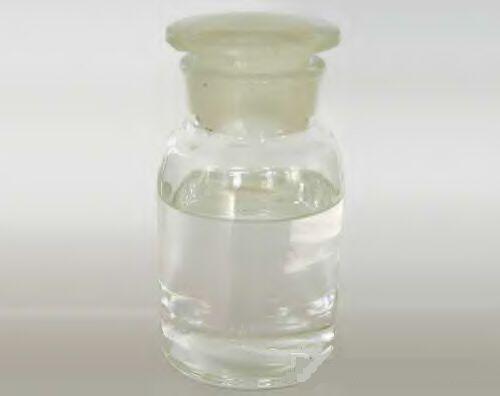
- Характеристики:
Found in nettles, herbs and brushwood of needles, some fruits, in biological secretions of animals and humans, in mineral water (Brückenau and Marienbad).
The meteorites that have reached the Earth have inclusions of methane acid, which may serve as evidence of its very ancient origin and direct influence on the origin and genetic diversity of organic life in the Universe. Its influence on the chromosomal apparatus of cells has been experimentally confirmed.
Due to the rapidly growing demand, formic acid is not commercially available from natural sources. It is secreted in various chemical ways.
Formic acid as a strong oxidant, its esters and salts (formates) are very widespread in various sectors of the modern economy.Synonyms and international names
ENG:Acidum formicum, Metane acid; hydrogene carbonic acid
Formic or methanoic acid is a monobasic carboxylic acid isolated in the 17th century from the glands of ants. It is also synthesized by bees and silkworm caterpillars.
- Применение:
Application
Basically, formic acid is used as a preservative and antibacterial agent in feed preparation. Formic acid slows down the processes of decay and decay, so that hay and silage treated with formic acid last longer.
Formic acid is also used in mordant dyeing of wool, to combat parasites in beekeeping, as a solvent in some chemical reactions, as bleach in leather tanning, etc.
Formic acid is used in mordant dyeing, for decalcification of leather in preparation for tanning, in the production of some catalysts (for example, containing nickel), for the synthesis of esters, formamide, dimethylformamide, when preserving juices, etc.
Packaging
Formic acid is available in 25 kg canisters, 250 kg drums, 1200 kg IBC containers.
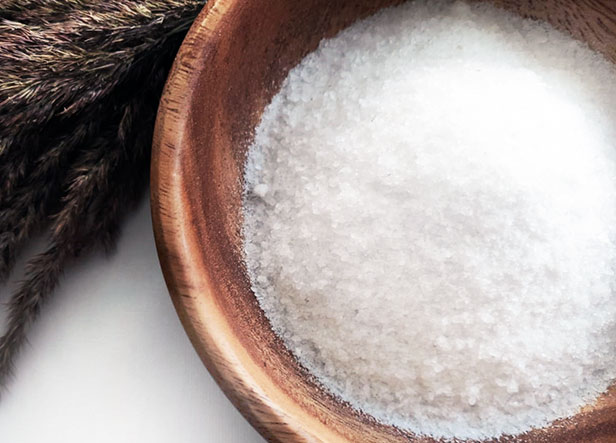
- Характеристики:
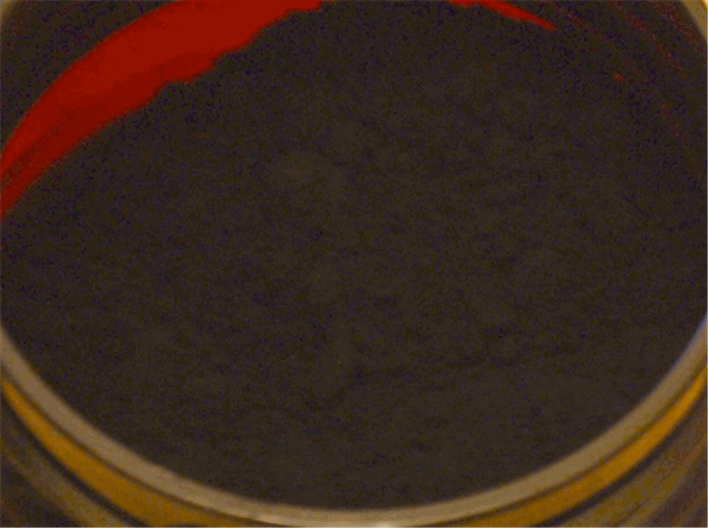
Alcohol-soluble nigrosine (black aniline) is a bluish-black powder, insoluble in water, soluble in alcohol, benzene and methylbenzene, oleic acid, stearic acid.
Synonyms and international names
Aniline black alcohol-soluble, Aniline, Solvent black 5
- Применение:
Application
-
production of carbolite (bakelite) powder;
-
rubber production;
-
production of pigment resin solvents;
-
production of dyes for plastic products;
-
production of varnishes, dyes and inks, copy paper;
-
painting of fabrics, plastics, furs, wood materials, leather, silk;
-
manufacture of footwear, shoe ointments, creams and shoe polish sponges.
Packaging
Alcohol-soluble nigrosine is supplied in original containers from the manufacturer: in bags of 15 and 25 kg.
-

- Характеристики:
Furfuryl alcohol (furyl) is a toxic flammable liquid, colorless or light yellow in color.
Miscible with water, forming unstable compounds, is able to dissolve in a variety of organic solvents.
With prolonged contact with air, furyl becomes red. Forms resins by reaction with acids.
The main method for the production of furfuryl alcohol is the catalytic reduction of furfural.
Synonyms and international name
FA, 2-FURYLMETHANOL, 2-HYDROXYMETHYLFURAN, 2-FURANCARBINOL, 2-FURANMETHANOL,
FURFURAL ALCOHOL, FURFURALCOHOL, FURYL ALCOHOL, ALPHAFURYLCARBINOL, 2-FURYLCARBINOL,
2-(HYDROXYMETHYL)FURAN, 2-FURANYLMETHANOL, 2-FURFURYL ALCOHOL, ALPHA-FURANCARBINOL,
ALPHAHYDROXYMETHYLFURAN, ALPHA-FURFURYL ALCOHOL, FURYLCARBINOL
- Применение:
Application
-
synthesis of various types of organic substances - adhesives, resins, substances used as wetting agents;
-
production of certain types of rocket fuel;
-
production of furan resins; production of varnishes, anti-corrosion and water-repellent coatings, solutions resistant to acids;
-
as an antiseptic in the woodworking industry.
Used with this product:
- Paratoluenesulfonic acid (PTSA)
- Triacetin (TA)
- Propylene carbonate -
- Характеристики:
Synonyms and international names
NTF acid, NTFA, Aminotrimethylenephosphonic acid, Aminotrimethylphosphonic acid, Aminotri- (methanephosphonic acid), Nitrilotri- (methylenephosphonic acid), Nitrilotrimethanephosphonic acid
English. spelling: aminotrimethylenephosphonic acid, ATMP
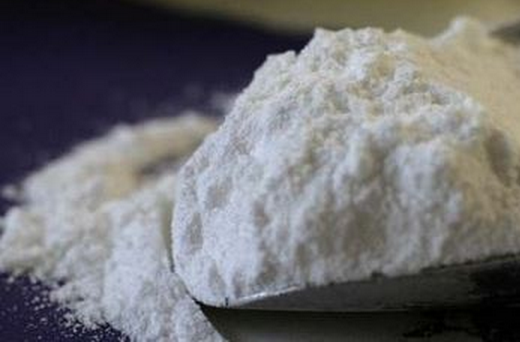
Nitrilotrimethylphosphonic acid is a colorless or slightly greenish crystalline free-flowing powder, readily soluble in water, acids, alkalis, insoluble in organic solvents.
- Применение:
Application
-
in the oil industry as a regulator of the physical and chemical properties of drilling and grouting fluids, as a scale inhibitor in oil production;
-
in construction as a retarder for the setting time of concrete mixtures in the production of monolithic and precast concrete;
-
in heat power engineering as a scale inhibitor in various heat exchangers;
-
in the pulp and paper industry in the process of bleaching all types of cellulose at the stage of chelation.
Used with this product
- Oxyethylidene diphosphonic acid (HEDP)
- Trilon B disodium salt
- Trilon B tetrasodium salt
- Alpha olefin sodium sulfonate (AOS, AOS)
- Lauric acid
- AMPS (AA / AMPS, acrylic acid)
- Paratoluenesulfonic acid (PTSA)
-

- Характеристики:
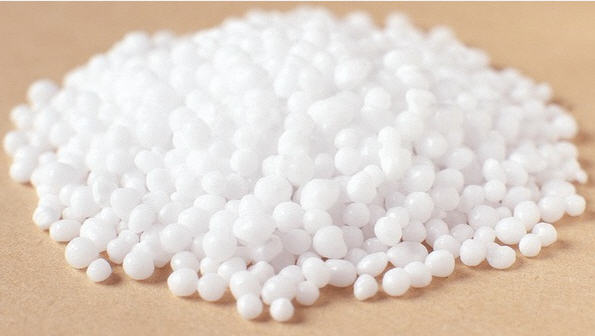
Ammonium polyphosphate is an inorganic polymer with a branched structure - an ammonium salt of polyphosphoric acid, a fine white powder, non-flammable, non-toxic, slightly soluble in water.
When heated to temperatures of about 250 - 280 ° C (depending on the degree of polymerization), ammonium polyphosphate is capable of endothermic decomposition with the formation of polyphosphoric acid and the release of ammonia,
and therefore finds use as an independent halogen-free flame retardant and also an acid and gas-forming component intumescent fire retardant formulations.
Typically, to achieve a synergistic effect, ammonium polyphosphate is formulated with pentaerythritol and / or melamine.
Synonyms and international name
APP, ammonium polyphosphate
- Применение:
Application
-
in the production of fire retardant intumescent paints, varnishes and sealants for coatings of metal structures, cables and wood;
-
in the production of products on a wooden basis (chipboard, fiberboard, plywood);
-
in the synthesis of a wide range of resins and plastics with reduced combustibility, flammability, smoke-forming ability, toxicity of combustion products and with reduced flame spread over the surface;
-
in the production of fire-resistant compounds based on rubbers, rubbers, artificial leather, lubricants.
Used with this product
- Melamine
- Pentaerythritol
- TITANIUM DIOXIDE -
- Характеристики:
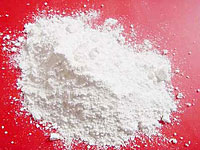
Antimony trioxide is a white powder or crystals, insoluble in water.
Melting point: 655 ° C, boiling point: 1456 ° C. In an industrial way, technical antimony trioxide is obtained by the converter technology, which is based on the use of the exothermicity of the oxidation of antimony.
In the process of sublimation, antimony trioxide is captured in bag filters and sent for control screening. Synonyms and international names: antimony oxide.
- Применение:
Application
- It is used as a pigment for paints, dressing in the textile industry.
It is also used as a catalyst in the production of PET (polyethylene terephthalate), as a flocculant in the production of titanium dioxide and paints.
- It is widely used as a fire retardant for plastics such as PVC, polypropylene, polyethylene, polystyrene, polyurethane, various styrene plastics, has a high anti-flaming coefficient, has little effect on the mechanical characteristics of the base material.
- It is used in the production of fire-fighting overalls and gloves, outer casing of fire-retardant electrical equipment, fire-retardant wagon, fire-retardant wires and cables, etc.
- In the rubber industry it is used as a filler and fire retardant for rubber goods.
- In the electrical industry, it is used for the production of non-magnetic porcelain.
- In the glass industry it is used as a clarifying agent instead of arsenic.
- It is used as a synergist in a mixture with halogen-containing flame retardants, forming antimony halides and xyhalides, which, when ignited, turn into a gaseous state and dilute combustible gases.
Packing: bags of 25 kg Storage
- Характеристики:
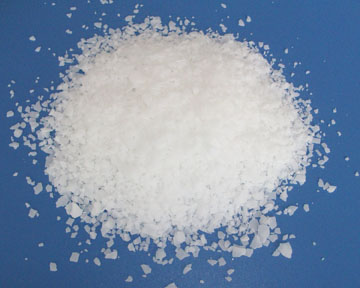
A saturated solution of barium hydroxide is called barite water. Hygroscopic. Insoluble in alcohol, but soluble in water.
Forms crystalline hydrates with one, two, seven and eight water molecules.
Synonyms and international names
Barium oxide hydrate, caustic barite, barium hydroxide
Barium hydroxide is a colorless crystal under standard conditions.
- Применение:
Application
-
when refining vegetable oils and animal fats;
-
as a component of lubricants;
-
to remove SO42− (sulfate ions) from industrial solutions;
-
to obtain barium salts.
Used with this product:
- Stearic acid MASFLEX
- 12-hydroxystearic acid (12-HOSC)
- Lithium hydroxide (lithium oxide hydrate)
- Diphenylamine
-
- Характеристики:
Benzoic acid is colorless crystals, poorly soluble in water, well soluble in ethanol and diethyl ether. Benzoic acid is, like most other organic acids, a weak acid. Benzoic acid is the simplest aromatic acid, colorless, shiny crystals. It was first isolated by sublimation at the beginning of the 17th century from benzoic resin (dew incense), hence the name. Easily sublimes, distilled with water vapor. Benzoic acid is obtained by oxidation of toluene with nitric or chromic acid, as well as by decarboxylation of phthalic acid.
Synonyms and international names
Purox B, VevoVitall, Е210
English. spelling: Benzoic acid, Purox B, VevoVitall, E210
- Применение:
Application
-
in agriculture;
-
in the production of paints and varnishes;
-
in the chemical, pharmaceutical, cosmetic industry;
-
in the pulp and paper, textile and medical industries;
-
in the production of fuels and lubricants, anti-icers, antifreezes;
-
esters of benzoic acid (from methyl to amyl) with a strong odor are used in the perfumery industry;
-
various derivatives of benzoic acid, for example, chloro- and nitrobenzoic acids, are widely used for the synthesis of dyes;
-
in the production of antiperspirants;
-
to stabilize polymers;
-
in heat exchangers, benzoic acid is used as a corrosion inhibitor;
-
in the rubber-technical industry and in laboratory research.
Used with this product
-
TITANIUM DIOXIDE
-
Propylene glycol (PG)
-
Maleic anhydride
-
- Характеристики:
TU 2149-005-81277120-2009
Used as a deicing agent

- Характеристики:
TU 2149-004-81277120-2009
Used as a deicing agent
- Характеристики:
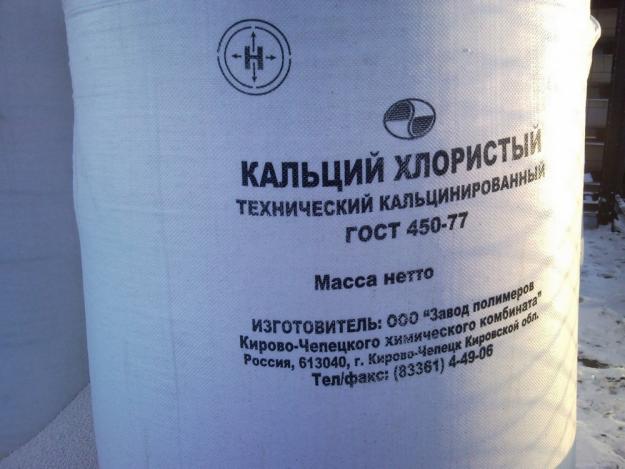
GOST 450-77
Used as a reagent, coagulant
- Характеристики:
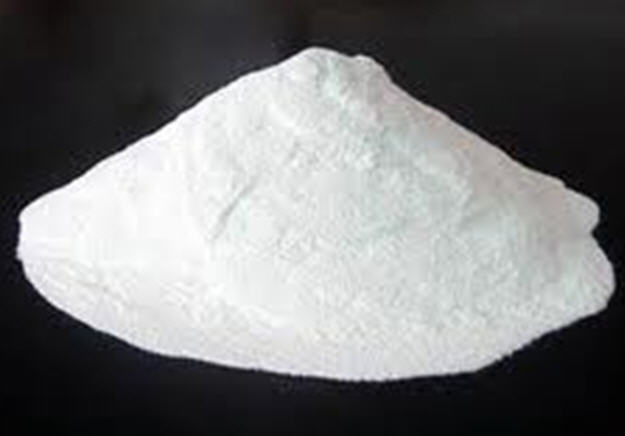
Mass fraction of calcium formate, (%) : 98,22 Mass fraction of calcium, (%): 30,27 Mass fraction of moisture, %: 0,37 Mass fraction of arsenic, %: 9 РРМ Mass fraction of lead, %: 6 РРМ PH of 10% aqueous solution: 7,1 Mass fraction of heavy metals, %: 0,001 Calcium formate (calcium formic acid) - sodium salt of formic acid, is a white crystalline powder, odorless, readily soluble in water and insoluble in alcohol.
The content of the main substance is more than 98%. Melting point> 300 ° C, decomposes. Density 1.15 g / cm³.
The pH of the aqueous suspension = 7-7.2
Synonyms
Formic acid calcium, calcium salt of formic acid
English. spelling: calcium formate
- Применение:
Application
-
in the production of dry building mixtures (as an additive to accelerate hardening or as an antifreeze additive in concrete);
-
in the production of Portland cement, concrete, floors, plaster and tile adhesives
-
when dyeing leather and in the production of formic acid;
-
as food additive, preservative, hardener, salt substitute E238.
Packaging
Calcium formate is supplied in containers from manufacturers in 25 kg polypropylene bags.
-

- Характеристики:
Appearance: powder with gray granules Mass fraction of active chlorine, not less than % : 62-65 Mass fraction of water % : 4 - 10 Calcium chloride content, not more than % : 10 Annual chlorine losses, no more than % : 9 - 11 Mass fraction of insoluble substances, not more than % : 2 - 5 Calcium hypochlorite is a white powdery product or light gray granules with a pungent chlorine odor.
Synonyms and international names
Calcium Hypochlorite, Calcium Hypochlorite
- Применение:
Application
-
for disinfection of surfaces in rooms, hard furniture, sanitary equipment, in medical institutions and infectious foci;
-
for the disinfection of household drinking water;
-
for disinfection of water supply facilities with centralized and local water supply, for bleaching and other purposes;
-
for bleaching fabrics, paper;
-
for the disinfection of effluents at industrial facilities.
Packaging
50 kg metal drums, 40, 50 kg plastic drums.
Storage
Shelf life: 1 year from the date of manufacture. After the expiry of the guaranteed storage period, the product must be checked for the content of active chlorine. With further use of neutral calcium hypochlorite, the actual content of active chlorine is taken into account.
Used with this product:
- Sodium cyanide
- Caustic soda
- Thiourea (thiocarbamide)
- Xanthogenates -
- Характеристики:
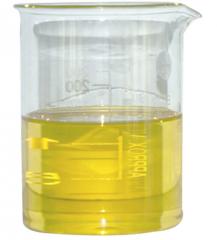
Appearance Light yellow viscous transparent liquid Color on a scale of 5 ¼ Lovibond, red 20 max Color on a scale of 5 ¼ Lovibond, yellow 2 max Free fatty acid content 1,00% max Acid number 2,00 max Iodine number 82-89 Hydroxyl number 160 min Saponification number 177-185 Acetyl number 143 min Humidity and volatility 0,25% max Density of unsaponifiables 0,80% max Relative density at 30°C 0,954 - 0,960 Refractive index at 40°C 1,470 - 1,474 Castor oil - (C3H5 (C18H33O3) 3) vegetable oil obtained from the castor bean plant, is a mixture of triglycerides of ricionoleic linoleic and oleic acids. This thick, non-volatile oil, insoluble in water and gasoline, dissolves in all proportions in anhydrous ethyl alcohol, ether, acetic acid, chloroform, and only partially in petroleum ether. In air it slowly thickens, forming a viscous mass. Has a specific smell and characteristic taste. The color of castor oil depends on the variety and varies from brownish yellow to almost transparent depending on the degree of purification. Castor oil does not dry out, does not form a film.
Synonyms and international names
Castor oil, castor oil
English. spelling: Castor oil, Castor seeds, Ricinus communis, Ricinoleic acid
- Применение:
Application
-
for the production of alkyd and epoxy resins, alizarin oil, enanth aldehyde, sebacic and undecylenic acids;
-
as a component of greases;
-
as a basis for the production of fluids for hydraulic drives of passenger cars of the Soviet period;
-
in medicine for the production of ointments, balms and other means;
-
as a separating agent (food additive E1503);
-
for the preparation of fuel mixtures of heating and compression engines.
Packaging
Metal drums of 225 kg
Storage
2 years
Used with this product:
- 12-hydroxystearic acid (12-HOSC)
- Lithium hydroxide (lithium oxide hydrate)
- Barium hydroxide (barium oxide hydrate)
- Oleic acid
- Stearic acid MASFLEX -
- Характеристики:
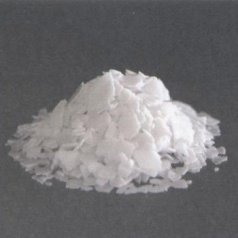
Colorless, very hygroscopic crystals, but less hygroscopic than sodium hydroxide.
Aqueous solutions of KOH have a strongly alkaline reaction.
Obtained by electrolysis of KCl solutions, used in the production of liquid soaps, to obtain various potassium compounds.
Synonyms and international names
Potassium hydroxide, Potassium hydroxide, KOH, potassium oxide hydrate, potassium hydroxide,
potassium hydroxide, potassium alkali
English. Potassium hydroxide, Caustic potash
- Применение:
Application
Potassium hydroxide is used for the production of leaching steel castings, for maintaining the alkalinity of drilling fluids within specified limits,
for the production of fertilizers, synthetic rubber, electrolytes for batteries, reagents, xanthates, and is used in the pharmaceutical industry and
other sectors of the national economy.
Used with this product:
- Xanthogenates
- Sodium hydrosulfide

- Характеристики:
Caustic soda (granular or flaked)
Synonyms
Sodium hydroxide, caustic soda, caustic
- Применение:
Application
In the chemical industry, it is used to produce:
-
organic dyes;
-
synthetic phenol;
-
glycerin;
-
insecticides;
-
various chemicals and intermediates;
-
medicines;
-
plastics, etc .;
-
for the purification of oil, petroleum products and mineral oils.
In ferrous metallurgy it is used to remove:
- sulfur from steel.
In pulp and paper processing:
- cellulose;
paper pulp.
Packaging
25 kg bags, 500 kg big bags
Used with this product
- Calcium hypochlorite
- Xanthogenates
- Thiourea (thiocarbamide) -
- Характеристики:
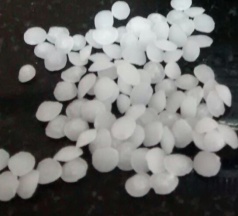
Cetylstearyl alcohol is a mixture of monohydric fatty alcohols: cetyl (hexadecyl) С16Н33OH and stearyl (octadecyl) С18Н37OH in various ratios.
The most common are 50/50 and 30/70, respectively.
Produced from coconut and palm oils.
Outwardly, it is a white hard plate with a characteristic waxy smell.
They dissolve well in oil, alcohol, ether, insoluble in water.
Synonyms and international names
ВЖС 1618, Cetyl Stearyl AlcoholBlends, Cetearyl alcohol.
- Применение:
Application
-
in the production of anionic and nonionic surfactants;
-
in the production of cosmetics
-
in the production of household chemicals
-
medicines.
-
Packaging:
-
bags of 25 kg
Storage
3 years
Used with this product
- Castor oil
- Alpha olefin sodium sulfonate (AOS, AOS)
- Lauric acid
- Oleic acid
- Stearic acid MASFLEX
-
- Характеристики:
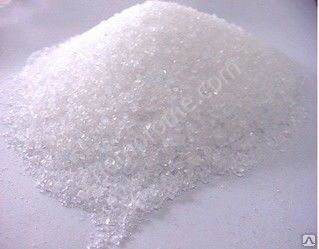
Monochloroacetic acid (MCA) is an intermediate product in the synthesis of indigo and many other vat dyes;
it is also used in the production of carboxymethyl cellulose, the hypnotic barbital, herbicides (for example, salts and esters of 2,4-dichlorophenoxyacetic acid), and vitamin B6.
An illustration of its usefulness in organic chemistry is the O-alkylation of salicylic aldehyde with chloroacetic acid,
followed by decarboxylation of the resulting ester to give benzofuran.
Most reactions use the high reactivity of the C-Cl bond. It is a precursor for the herbicide glyphosate.
The herbicide MHFUK (2-methyl-4-chlorophenoxy acetic acid) was obtained by alkylation with chloroacetic acid.
Chloroacetic acid is converted to chloroacetyl chloride, a precursor of adrenaline.
Replacing chlorine with sulfur gives thioglycolic acid, which is used as a PVC stabilizer and as a component in some cosmetics.
The largest amount of chloroacetic acid is used for the preparation of a thickener - carboxymethyl cellulose.
Synonyms and international names
MHUK, chloroacetic acid, CHLOROACETIC ACID
- Применение:
Application
In the production of herbicides, insectofungicides, fragrances and medicinal substances, carboxymethyl cellulose, sulfur dyes.
Packaging
Polymer containers (barrels, containers), steel barrels with a polyethylene liner, cardboard winding drums.
Storage
Shelf life - 1 year from the date of manufacture.
- Характеристики:
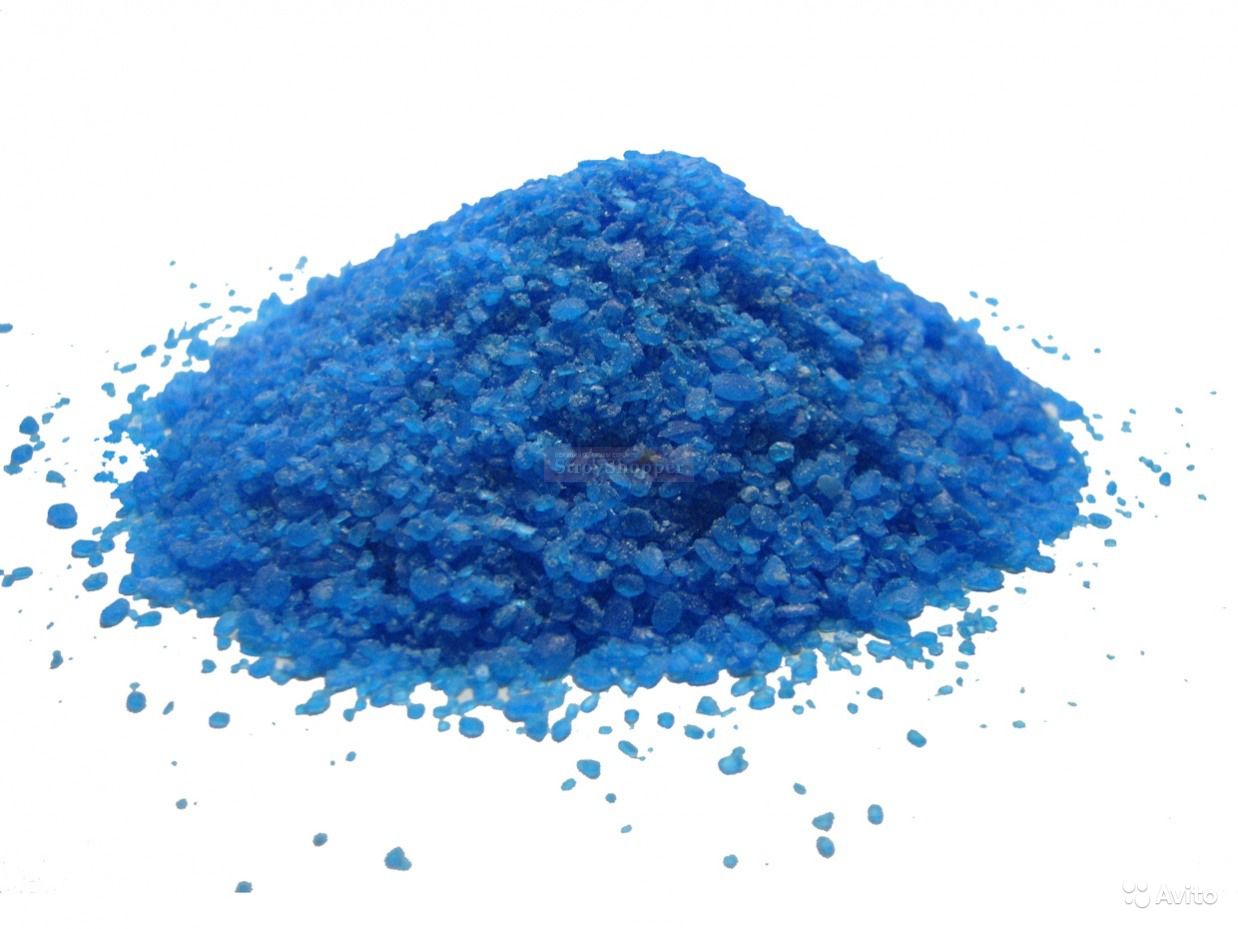
We offer copper sulfate produced in accordance with GOST 19347-99 - copper sulfate grade A (grade 1) and grade B (grade 1).
Synonyms and international names
Copper (II) sulfate pentahydrate, copper sulfate pentahydrate, Copper sulphate
Copper sulfate (copper sulfate) - azure blue crystals. It occurs naturally as a mineral.
- Применение:
Application
-
in industry (in the production of artificial fibers, organic dyes, mineral paints,
-
arsenic chemicals, for ore beneficiation during flotation);
-
in agriculture.
Used with this product
- Calcium hypochlorite
- Thiourea (thiocarbamide)
- Xanthogenates
-
- Характеристики:
Decabromodiphenyl oxide is a white powder, boiling point 425C, solubility in water less than 0.1 g / 100 ml at 20C.
Synonyms and international names
Bis (pentabromophenyl) ether, December.
- Применение:
Application
Decabromodiphenyl oxide is a flame retardant additive in thermoplastics, elastomers and thermosetting polymers such as high impact polystyrene, polybutylene terephthalate, polyamide, polypropylene, low density polyethylene, EPDM (ethylene propylene diene terpolymer), unsaturated polyesters and epoxies.
Packaging
Polypropylene bags with polyethylene liners, 25 kg each
Storage
Store in a cool, dry, well-ventilated area.
Shelf life: 12 months from the date of manufacture.
- Характеристики:
Diphenylamine - (C6H5) 2NH aromatic amine, colorless crystalline substance, darkens in air. Scales or small crystals from light yellow to light brown or melt brown. It dissolves well in diethyl ether, benzene, acetone, CCl4; limitedly soluble in ethanol and methanol; poorly soluble in water. Diphenylamine forms salts with mineral acids.
Synonyms and international names
Synonyms and international names
N, N-Diphenylamine, (N-phenyl) -aniline, DPA
English. spelling: DFA, Deccoscald 282, Naugalube 428 L, Scaldip, Shield DPA; Aniline, N-Phenyl-; Anilinobenzene; Benzenamine, N-phenyl-; Benzene, anilino-; N, N-Diphenylamine; N-Phenylaniline; N-Phenylbenzenamine
- Применение:
Application
-
for the synthesis of dyes, antioxidants, insecticides;
-
as a corrosion inhibitor for mild steels;
-
as a stabilizer for plastics and pyroxylin powder;
- in analytical chemistry for the detection of NO2-, NO3-, ClO3- and other oxidants.
Packaging
Bag 25 kg
Storage
1 year
Used with this product:
- 12-hydroxystearic acid (12-HOSC)
- Lithium hydroxide (lithium oxide hydrate)
- Barium hydroxide (barium oxide hydrate)
- Oleic acid
- Stearic acid MASFLEX
-
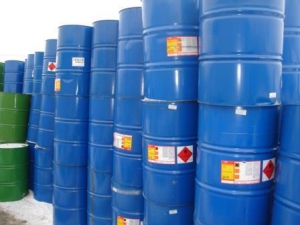
- Характеристики:
Diethylene glycol is a colorless, viscous, hygroscopic, odorless sweetish liquid.
Mixes without limitation with water, lower alcohols, glycols, cellosolves, carbitols, acetone, chloroform, phenol.
Partially soluble in benzene, toluene, styrene, diethyl ether, carbon tetrachloride, phthalates.
Diethylene glycol poorly dissolves mineral and vegetable oils.
Diethylene glycol is an ether of ethylene glycol. It has the chemical properties of ethers and glycols.
Able to esterify under the action of carboxylic acids and their anhydrides, forming complex mono - and diesters.
With aldehydes and ketones, it enters into condensation reactions with the formation of cyclic acetals,
for example, with acetone, 2,2-dimethyl-1,3,6-trioxacyclooctane is obtained:
Diethylene glycol is toxic, irritating to the skin. If swallowed, acts on the central nervous system and kidneys. by the reaction of monoethylene glycol (MEG) with ethylene oxide at 160-180 ° C in a molar ratio of ethylene oxide: MEG = 1: 2. Reaction yield ~ 60%:
(CH2) 2O + HOCH2CH2OH -> HOCH2CH2OCH2CH2OH
- Применение:
Diethylene glycol is used
-
as an intermediate product in the production of 1,4-dioxane, tetraethylene glycol, morpholine and a number of other products.
-
as a raw material in the production of esters, polyurethanes, oligoester acrylates, polyalkylene glycol maleinates;
-
as an intermediate for the synthesis of pharmaceuticals;
-
as a humidifier for tobacco, cork;
-
as an anti-drying agent for inks and adhesives;
-
as a plasticizer for polyvinyl chloride (PVC) and other polymers;
-
as a highly efficient extractant of aromatic hydrocarbons from the products of catalytic reforming of petroleum products;
-
as a dehumidifier for gases;
-
solvent for cellulose nitrates, polyester resins, dyes;
-
as a component of cooling, hydraulic and brake fluids;
-
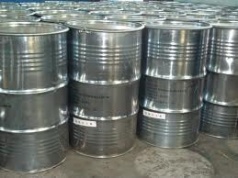
- Характеристики:
Appearance Transparent homogeneous oily liquid without mechanical impurities Color unit Hazena, no more 50 Density at 20 С, g / cm3 1,190-1,194 Acid number, mg KOH / g, no more 0,07 Acid number after heating mg / KOH, no more 0,3 Saponification number, mgKOH / g 571-583 Dimethyl phthalate is a colorless or slightly yellowish viscous liquid with a faint odor.
Almost insoluble in water and mineral oils, easily miscible with alcohols and other organic solvents, low toxicity.
Synonyms and international names
O-phthalic acid dimethyl ester, avolin, dimethyl phthalat
- Применение:
Application
-
as a plasticizer of cellulose ethers, vinyl polymers, rubbers;
-
used in the manufacture of polymer building materials, linoleums, packaging films;
-
insect control component (repellent);
-
in metallurgy as a blowing agent for metal concentrate flotation.
-
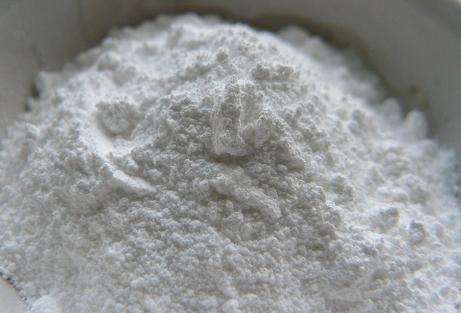
- Характеристики:
Polyanionic cellulose, high viscosity (PACHV) is a type of sodium salt of carboxymethyl cellulose with an increased degree of substitution.
In the process of drilling production and production oil, gas and water wells, polyanionic cellulose (PAC) used as additives for drilling fluids perform two functions - it creates a filter layer at the wellbore walls to minimize water loss and controls the rheology of fluid systems.
The basis of drilling fluids can be both water and organic solvents, however, today's environmental protection requirements and technological features of well drilling processes determine the use of water-based drilling fluids in most cases.
Since PAC is a water-soluble polymer, it is used in drilling fluids as a performance enhancer. Unlike CMC, PAC is more effective in saline solutions.
Polyanionic cellulose, low viscosity (PACLV)
High-viscosity polyanionic cellulose is used to increase the relative viscosity and decrease the filtration rate of clay-free solutions and solutions with a low solid phase.
It is effective as a stabilizing agent in all types of water-based drilling fluids, provides stabilization of the borehole walls when drilling shale, and helps to reduce the solid phase in the drilling fluid. Reduces filtration rate.
Forms a thin and elastic filter cake, which allows to reduce losses of drilling fluid, maximally preserve the diameter of the annular space and reduce hydraulic resistance in the wellbore. It is thermostable and stable in highly mineralized environments (saturated solutions of sodium and potassium chlorides).
The shelf life is 12 months from the date of production.
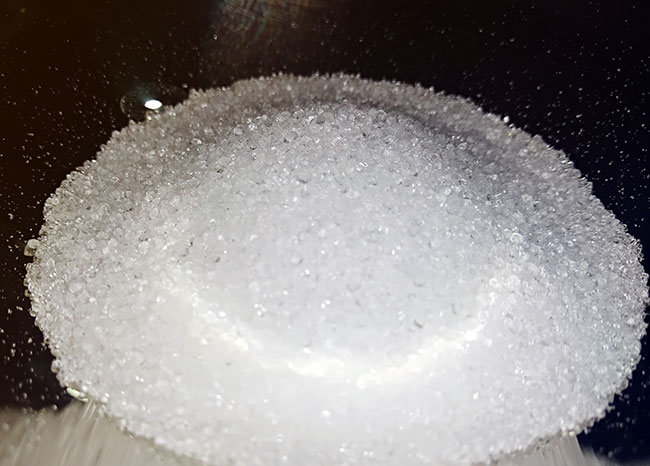
- Характеристики:
Appearance: White powder Main substance: 99.0% min Chloride content (Cl): 0,01% Heavy metal content (Pb): 0.001% max рH: 10,5 – 11,5 Iron content: 0.001% max Chelates: 215 min Trilon B tetrasodium salt is a white crystalline powder or white crystals, readily soluble in water, very slightly soluble in alcohol.
Synonyms and international names
Salt of tetrasodium ethylenediamine-N, N, N ', N'-tetraacetic acid, EDTA-Sodium, Ethylenediamine-N, N, N', N'-tetraacetic acid tetrasodium salt, Ethylenedinitrilotetraacetic acid tetrasodium salt, 4Na-EDTA, 4N , 4Na-EDTA
English. spelling: Dissolvine NA; Ethylenediaminetetraacetic Acid tetrasodium Salt; EDTA Tetrasodium Salt; EDTA 4NA
Trilon B tetrasodium salt is a white crystalline powder or white crystals, readily soluble in water, very slightly soluble in alcohol.
- Применение:
Application
Trilon B is used:
- in the production of household chemicals and synthetic detergents;
- as a disinfectant and scale dissolver;
- in the form of a stabilizer in polymerization processes, pulp and paper industry;
- in the textile industry;
- in the production of car shampoos;
- in industry for washing heat and power equipment;
- for water treatment in boiler rooms and heating systems.
Used with this product:
- Oxyethylidene diphosphonic acid (HEDP)
- Nitrilotrimethylphosphonic acid (NTF)
- Alpha olefin sodium sulfonate (AOS, AOS)
- Lauric acid
- AMPS (AA / AMPS, acrylic acid)
- Paratoluenesulfonic acid (PTSA)
- Характеристики:
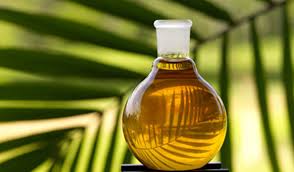
Sliding Melting Point (SMP): 33—39 °C Iodine number: 50—55 Solid fat content at 20 ° C: 26 % Palm oil has a sweetish taste, has an orange-yellow color and a pleasant smell.
Palm oil is obtained from the flesh of the oil palm (Elaeis guineensis). The seed oil of this palm is called palm kernel oil.
Palm oil is produced in three marketable forms:liquid fraction of palm oil (Poo) with a melting point of 19-24 ° C;
solid fraction of palm oil (PS or POs) with a melting point of 47–54 ° C;
crude palm oil (PO) melting point 33-39 ° C
Palm oil is composed of unsaturated and saturated fatty acids. It contains: palmitic, linoleic, oleic (approximately 2.6 mg per 100 g of oil), stearic, myristic and arachidic acids.Synonyms and international names
red palm oil
English. spelling: Elaesis Guinennsis (Palm) Oil
- Применение:
Application
Palm oil is used
-
in the cosmetic industry (cream);
-
in the food industry (waffles, biscuits, cakes ..)
-
in soap making;
-
in the production of candles;
-
in medicine
-
Packaging: boxes of 25 kg and 50 kg.
Drum 190kg, IBC container 950kg
Storage:
2 years
Used with this product
- Alpha olefin sodium sulfonate (AOS, AOS)
- Xanthan gum
- Lauric acid
- Myristic acid
- Oleic acid
- Stearic acid MASFLEX
- Trilon B disodium salt
- Trilon B tetrasodium salt
- 12-hydroxystearic acid (12-HOSC)
- TITANIUM DIOXIDE -
- Характеристики:
Basic substance content % 99.8% Min Chroma (APHA) 10 макс Density (g cm-3) 1.18 Humidity 200 ppm Epylchlorohydrin (ECH) is an intermediate solvent used in the manufacture of sealants, ion-exchange and epoxy resins,
epichlorohydrin rubbers, synthetic glycerin and more. It is also used in pharmaceuticals,
in the production of detergents, adhesives, emulsifiers.
Synonyms and international names
Epichlorohydrin (1-Chloro-2,3-epoxypropane 2-Chloropropylene oxide, EPICHLOROHYDRIN, 1-chloro-2,3-epoxypropane, 3-chloro-1,2-epoxypropane)
- Применение:
Application
-
an intermediate in the preparation of synthetic glycerin;
-
for the production of epoxy resins, ion exchange resins;
-
in the synthesis of epichlorohydrin rubbers;
-
as a starting material in the production of pharmaceuticals, a number of derivatives of glycerin, detergents, lubricants, emulsifiers, adhesives;
-
as a solvent for cellulose, resins, dyes and pesticides.
Packaging
Barrels of 225 kg
Storage
The guaranteed shelf life is 1 year from the date of manufacture
-

- Характеристики:
ETS-32 / ETS-40
Specific gravity (g / cm2) at 20 ° С 0.970-1.0 Alcohol % max 2.0 Acidity % (HCL) 0.015 Basic substance content (tetraethoxysilane), % 50 Chroma (APHA) max 30 Appearance Colorless transparent liquid Silicon content in terms of SiO2,% by weight 32.0-34.0 Ethyl silicates are transparent, low-viscosity liquids, which are a complex mixture of oligoethoxysiloxanes with varying degrees of condensation. Ethyl silicates are thermally stable - they can be used at temperatures from -50 ° C to + 60 ° C. Ethylsilicate-32 and Ethylsilicate-40 differ in SiO2 content - respectively 32% and 40% of the mass.
Synonyms and international names: ETS, Tetraethyl Orthosilicate.
English. spelling: Ethyl Silicate, Ethyl Polysilcate, Tetraethyl-orto-Silicate, Silicic Acid Tetraethyl ester, Tetraethoxysilane, Silane Coupling Agent, ETHYL SILICATE POLYMER
- Применение:
Application:
-
in precision casting technology as a starting component in binding solutions used to make molds for casting, a binder for making cores, a component for preparing non-stick paints
-
in construction as a modifying additive for the creation of hydrophobic building materials, treatment of previously painted surfaces of buildings, putty and whitewash solutions, improving the quality and durability of epoxy and bituminous materials, increasing water and frost resistance, corrosion resistance of gypsum, concrete, silicate paints, imparting rigidity and strength wall panels, bricks, plaster and architectural details made of stone, impregnation of concrete in order to reduce its porosity, protection from corrosion of aluminum building structures; preventing the appearance of dark and rusty spots, peeling, efflorescence on the surfaces of structures;
-
in the textile industry as a modifying additive for increasing the strength of cotton yarn, non-shrinking and dirt-repellent finishing of woolen fabrics, reducing shrinkage of carpet products and making them resistant to rotting and dust;
-
in glass production as a modifying additive;
-
in the paint and varnish industry as a modifying additive to parquet varnishes, drying oils;
-
in the manufacture of ceramic products as a binder in ceramic materials, an additive for grinding silicate materials in the production of porcelain, earthenware and majolica masses;
-
in oil production for waterproofing works in oil wells.
Used with this product
— Stearic acid MASFLEX
-

- Характеристики:
Base substance 99.0% min Chloride content (Cl) 0.01% max Sulfate SO4 content 0.05% max Iron content 0.001% max Heavy metal content 0.001% max рН: 2.8 – 3.0 Chelates 239 min Appearance White crystalline powder ETHYLENE DIAMINE TETRACIDIC ACID, EDTA.
Ethylenediaminetetraacetic acid is a white crystalline powder or white crystals, slightly soluble in water, insoluble in most organic solvents, soluble in alkalis. Synonyms and international names: Ethylenediaminetetraacetic acid, Trilon BS, EDTUK, EDTA. Engl. spelling:
- Применение:
Application
-
in the production of paints and varnishes;
-
in the production of household chemicals and synthetic detergents;
-
in the form of a stabilizer in polymerization processes, pulp and paper industry;
-
in the textile industry;
- in the production of metals for the extraction and purification of rare earth elements, cleaning of metal surfaces before electroplating;
-
in industry for dissolving various deposits on the surface of heat and power equipment;
-
in water treatment for water softening in boiler rooms and heating systems,
-
in analytical chemistry as a titrant in complexometry and a masking agent;
-
in medicine, they are used to remove radioactive and toxic metals from the body, to preserve blood;n a
-
griculture in the form of fertilizers.
-
Packing: 25 kg PVC bags. Storage: 1 year. How to order:
- Used with this product
-
- 12-hydroxystearic acid (12-HOSC)
-
- Benzoic acid
-
- Oleic acid
-
- Stearic acid MASFLEX
-
- Trilon B disodium salt
-
- Trilon B tetrasodium salt
-
- Характеристики:
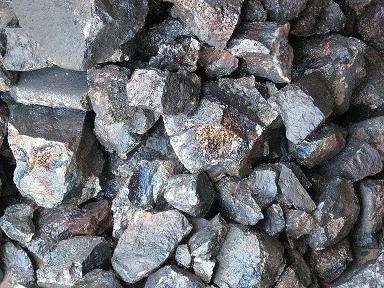
Manufacturer Norway Manganese, Mn: 80-83% min Silicon, Si: 0.06% max Carbon, C: 1.5% max Phosphorus, P: 0.2% max Sulfur, S: 0.01% max Size: 10-80 мм Ferromanganese is an alloy, the main components of which are manganese and iron.
The surface of the pieces of ferromanganese should not have foreign materials.
Traces of non-stick (lime, sand) materials, slag film, slag inclusions and graphite precipitation are allowed.
Ferromanganese is supplied in lumps weighing not more than 20 kg.
The presence in the batch of pieces weighing more than 20 kg in an amount not exceeding 5% of the batch weight is allowed.
- Применение:
Application
-
It is added in the production of steel, improving its hardness, anti-corrosion properties and resistance to tearing;
-
They are used for deoxidation and alloying of steel, alloys and cast iron, as well as for coating welding electrodes;
-
It is used as a deoxidizer in the production of almost all steel grades and as an alloying element in the smelting of low-alloy and special steels.
Packaging
Big bags 1000 kg
Storage
Shelf-life Unlimited
-

- Характеристики:
Furfural (C4 H3 OSNO) is a viscous, colorless liquid with a pleasant aromatic odor;
when exposed to air, it turns out to be dark brown or black. It boils at a temperature of about 160 ° C.
Usually used as a solvent, soluble in ethanol and ether.
Furfural is obtained by hydrolysis of plant materials, for example, corn cobs, rice bran, and other types of pentosan-containing raw materials.
Synonyms international and name Furfuraldehyde, furfural, 2-furancarbaldehyde, Furfural
- Применение:
Application
• in the production of pesticides;
• in the production of furan resin;
• as a solvent in petrochemical processing to extract dienes (which are used to make synthetic rubber) from other hydrocarbons;
• as a chemical intermediate in the production of furan and tetrahydrofuran solvents;
• to obtain solid resins by reaction with phenol and acetone, or with urea. Such resins are used in the manufacture of fiberglass,
some aircraft parts, and automobile brakes.
Packaging
Tanks of 250 kgUsed with this product:
- Furfuryl alcohol
- Paratoluenesulfonic acid (PTSA)
- Triethylamine

- Характеристики:
Fast Hydrating Guar / Food Grade / Technical Grade
Guar gum is a white powder, used in the food industry as a stabilizer-thickener or structured substance (gives the aqueous phase a viscous long texture).
Guar gum is extracted from the ground endosperm of the guar plant.
The plant is cultivated in India and Pakistan for human consumption.
Pods are about 15 cm long, containing six to nine seeds with a diameter of 2-3 mm.
The seeds contain up to 70% gum (the highest polysaccharide is galactomannan).
Guar gum is a cost effective stabilizer and sealant.The gum hydrates quickly in cold water and creates a viscous pseudoplastic solution with a low tensile strength, which, however, is higher than that of locust bean gum.
Guar gum is more soluble than locust bean gum and a better emulsifier compared to it.At the same time, guar gum exhibits fairly good resistance to freeze-thaw processes. In combination with xanthan gum, it exhibits synergy.
Viscosity
Powdered guar gum can be dispersed and hydrated in cold and hot water to form a viscous colloidal dispersion or solution.The viscosity achieved depends on temperature, time, concentration, pH, stirring speed and particle size of the powder.
In cold water, maximum viscosity can be reached after 1 to 4 hours.
Synonyms and international names
Guar Flour, Guar, Guar Gum, E412, Guarana, Guar Gum
- Применение:
Application
• food industry;
• oil industry;
• production of building mixtures;
• textile industry;
• production of cosmetics;
• the tobacco industry.
Storage
The shelf life is 12 months from the date of production.Used with this product:
- Xanthan gum
- Характеристики:
Hexamethylenediamine has all the chemical properties of aliphatic amines.
With carbonyl compounds forms Schiff bases, with salts of Ag, Au, Cu, Pt and other metals - colored and hardly soluble complex compounds; enters into a cyanoethylation reaction; the action of NiO2 is oxidized to adipodinitrile.
Forms salts with carboxylic and mineral acids, for example. dihydrochloride (mp 258 ° C) and dihydrobromide (mp 263 ° C). Of great practical importance are the salts of hexamethylenediamine with dicarboxylic acids: adipate (mp 195 ° C) and sebacate (mp 172 - 173 ° C) - so-called. AG-salt and SG-salt, respectively.
When hexamethylenediamine interacts with phosgene, hexamethylene diisocyanate is formed.
Synonyms and international names
RUS: 1,6-diaminohexane, 1,6-hexanediamine
ENG: Hexemetheylene diamine, 1,6-Diaminohexane .1,6-Hexanediamine
- Применение:
Application
Hexamethylenediamine forms salts with organic and inorganic acids. Salts of hexamethylenediamine, when heated with organic acids, are converted into amides of the corresponding acids.
This is used to obtain valuable polymer products based on hexamethylenediamine - polyamides (for example, nylon-66 by condensation with adipic acid).
Also generated from hexamethyleneamine, hexamethylene isocyanate is a valuable monomer in the production of polyurethanes. Diamine is also a cross-linking agent in the production of epoxy resins.
Packaging
Barrels 175 kg
Used with this product:
- Sebacic acid (decandioic acid)
- Характеристики:
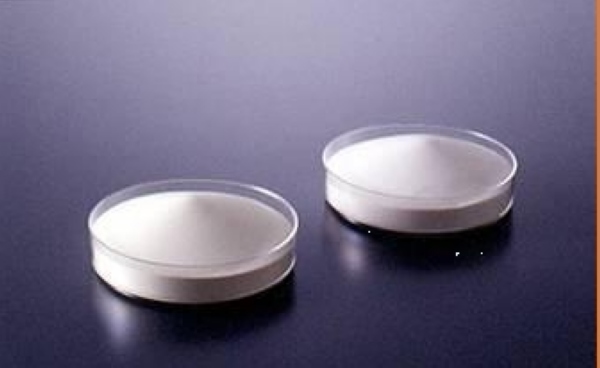
Microspheres are a light free-flowing white powder, consisting of individual hollow spherical particles ranging in size from 15 to 200 microns, and mainly from 15 to 125 microns. Microspheres are produced from sodium borosilicate glass.
- Применение:
Application Hollow glass microspheres
as a lightweight filler in the production of complex casting foams based on epoxy binders,
in the production of various composite materials in shipbuilding and aircraft construction.
as a filler in the paint and varnish industry, in the manufacture of light cements, various facing materials, mastics, putties, sealants, syntactic foams.
in drilling fluids for cementing oil wells to contain oil emissions.
Conditions and terms of safe storage:
Keep containers dry. Store in closed containers when not in use. Usual storage conditions.

- Характеристики:
Iron oxide pigments are inorganic pigments produced by chemical reactions. They are dry dyeing powders that give products opacity, rich color, anti-corrosion and other properties. Iron oxide pigments have a high hiding power and coloring ability, are resistant to color, salts, weak acids and alkalis. They are used as pigments for concrete, pigments for paints, paintwork materials.
Synonyms and international names
Colorant, iron oxide yellow
- Применение:
Application Iron oxide
pigments for paints - in the production of paints and varnishes: for coloring and imparting color, paint opacity (lightfastness);pigments for concrete - in the production of dry construction mixtures: coloring concrete, cement and asphalt pavement;
in the manufacture of paper products;
in the production of rubber products;
in the production of paving slabs and sand-lime bricks;
in the production of plastics;
in the production of styrene catalysts, as an intermediate product.
Packaging Iron oxide25 kg bags.
Storage
The shelf life is 24 months from the date of manufacture.

- Характеристики:
Synonyms and international names
Isopropyl Acetate (Isopropyl Acetic Acid, 2-Propyl Acetate, 1-Methylethyl Acetic Acid, ISOPROPYL ACETATE, IPAC)
Isopropyl acetate is an industrial solvent. In terms of properties, it occupies an intermediate position between ethyl and butyl acetates, dissolves cellulose esters, fats, oils and many synthetic polymers.
- Применение:
Application ISOPROPYL ACETATE
printing industry;
paint and varnish industry.
Isopropyl acetate is used in the production of flexographic inks, used in printing processes to adjust the drying rate of ink as an accelerator, which is necessary when working on high-speed machines, as well as in the cold season.
Packaging ISOPROPYL ACETATE
Isopropyl acetate (IPAC) is supplied in its original container from the manufacturer in 180 kg drums.Used with this product:
- Propylene Glycol Monomethyl Ether Acetate (PMA)
- N-propyl acetate
- Propylene glycol (PG)
- Propylene glycol monomethyl ether (PM)
- Характеристики:
Indicators Standard Purity (%): 98.0 min Chroma (Pt-Co): 30 max Density (20°C, гр/см3): 0.9700±0.005 Refractive index (n25 D): 1.3930±0.005 Chloride Ion content ppm ppm: ≤30 Flash point С: 35 Viscosity (20 С): 1 cst Product information
JH-V171 is a bifunctional silane with a reactive vinyl group and hydrolysable methoxysilyl groups. The dual nature of its reactivity allows JH-V171 to be used for chemical bonding of both inorganic materials (glass, metals, fillers) and organic polymers (thermosets, thermoplastics, elastomers, etc.), while acting as a crosslinking agent, promoter adhesion and / or surface modifier.
Reactivity
In the presence of moisture, the JH-V171 methoxy groups hydrolyze to form methanol and reactive silanol groups (Si-OH), which can chemically combine with many inorganic substrates or react with each other to form siloxane structures (Si-O-Si). Organophilic the terminal vinyl group JH-V171 can react with a suitable polymer. The reaction is initiated by peroxide.
JH-V171 is a bifunctional silane with a reactive vinyl group and hydrolysable methoxysilyl groups. The dual nature of its reactivity allows the JH-V171 to be used for chemical bonding as inorganic materials (glass, metals, fillers
- Применение:
Areas of use
1. Moisture curing of polymers:
JH-V171 is suitable for the preparation of moisture curing polymers such as polyethylene. A feature of this process is the peroxide-initiated grafting of vinylsilane to the polymer during extrusion. After grafting, the polymer can still be processed like a thermoplastic. Only when processing with moisture (water bath 80-100 ° C, flow bath, or even just ambient air conditions) polymer chains crosslink, forming a crosslinked polymer. The reaction can be accelerated by using a catalyst. Silanol XLPE is widely used in the insulation and sheathing of low voltage cables, as well as in the production of plastic pipes for hot / drinking water and underfloor heating.
2. Improving adhesion and surface modification.
Due to its ability to react with mineral fillers as well as organic polymers (activated by peroxides or radiation), JH-V171 acts as an effective adhesion promoter for a variety of mineral-filled polymers, improving mechanical and electrical properties, especially in wet conditions. Once attached to the filler, JH-V171 hydrophobizes its surface, improving the compatibility of the filler with polymers, resulting in better filler dispersion, lower melt viscosity and easier handling of the filled plastic.
Pretreating glass, metal and ceramic surfaces with JH-V171 improves the adhesion of coatings to these surfaces and thus improves corrosion resistance.
3. JH-V171 as a co-monomer for polymer dispersions.
Polymer dispersions (eg styrene acrylates) modified by JH-V171 exhibit improved wet adhesion and resistance to moisture degradation.
4. JH-V171 as a desiccant
JH-V171 reacts quickly with water. Even traces of water can be easily
neutralized with JH-V171. This effect is widely used in the manufacture of sealants.
5. Other applications of JH-V171
JH-V171 can easily attach to the bonds of OH groups. Hydroxyl-containing polymers, such as functionalized silicones, can be modified with JH-V171, thereby introducing reactive vinyl groups into the polymer chain. The vinyl group JH-V171 is activated by its proximity to the silicon atom, which makes this molecule convenient for a variety of organic synthesis.
Precautions at work
Please read the safety data sheet for the product before using it. The sheet contains information on safety measures and toxicological risks when working with the product, as well as information on its transportation, storage and use. Safety data sheet available upon request.
Packaging, storage and shelf life
JH-V171 is available in 20 kg cans, 180 kg drums or
containers weighing 800 or 900 kg.
Containers should be tightly closed and stored in a cool, well-ventilated place. The product must be protected from moisture.
In a sealed container, the product has a shelf life of 1 year.
- Характеристики:
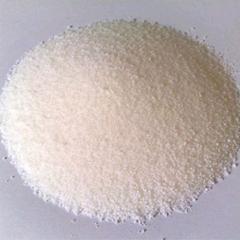
Lauric acid is a colorless or milky crystals with a weak odor, soluble in organic solvents, poorly soluble in water.
According to its chemical properties, lauric acid is a typical representative of carboxylic acids, it is included in the triglycerides of animal fats, it is found in laurel and palm kernel oils, babassu oil, in fractions C10-C13 and C10-C16 of synthetic fatty acids, from where it is isolated by rectification.
Synonyms and international names
Dodecanoic acid
English. spelling: Lauric Acid
- Применение:
Application Lauric Acid
Lauric acid is used:
in the cosmetic industry as an antiseptic additive for creams and skin care products;
in soap making as a foaming catalyst;
in the production of liquid soap;
derivatives of lauric acid are widely used as ionic and non-ionic surfactants.
Used with this product Lauric Acid
- Trilon B disodium salt- Trilon B tetrasodium salt
- Stearic acid MASFLEX
- Nitrilotrimethylphosphonic acid (NTF)
- Oxyethylidene diphosphonic acid (HEDP)
- Sodium benzoate
- Oleic acid
- Характеристики:
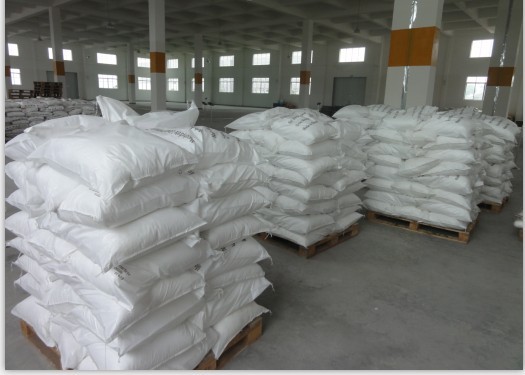
Lithium carbonate Li2CO3 is a colorless crystalline substance. It practically does not dissolve in organic solvents. Solubility in water limited to: 1.5g in 100g water at 0 ° C; 1.26g @ 25 ° C; 0.99g @ 50 ° C; 0.83g @ 75 ° C. Solubility increases slightly in the presence of salts of other alkali metals and ammonium (with the exception of carbonates).
The crystal lattice of Li2CO3 is monoclinic, a = 0.839 nm, b = 0.500 nm, c = 0.621 nm, β = 114.5 °, z = 4, space group C2 / c.
Lithium carbonate has pharmacological activity, affects the central nervous system.
Receiving.
In industry, lithium carbonate is obtained by acting with alkali metal carbonates (Na or K) on soluble lithium salts LiCl, LiNO3, Li2SO4 at 90 ° C.
Li2SO4 + Na2CO3 → Li2CO3 ↓ + Na2SO4
- Применение:
Application.
As a starting material for the synthesis of other lithium derivatives;as a component of compositions in the production of ceramics, sitalls, electrical insulating porcelain, heat-resistant ceramic coatings (including for combustion chambers and jet engine nozzles);
as a compound of glazes, enamels, acid-resistant coatings, primers for aluminum, cast iron, sheet steel;
as a component of glasses to give strength, resistance to corrosion. Glasses with the addition of lithium carbonate have increased permeability to ultraviolet radiation;
in the aluminum industry as a flux. The addition of lithium carbonate increases the productivity of aluminum electrolysers;
as a flux for brazing aluminum and magnesium;
as a component of pyrotechnic compositions;
as a component of fuel cells;
in the cement industry as an additive that accelerates the hardening of cement mortars;
in psychiatry as a pharmacological agent for the treatment of depression and manic-depressive psychoses;
- Характеристики:
Magnesium oxide is stored in closed dry warehouses, which provide protection against moisture, contamination and mechanical damage to containers,in shipping containers in stacks on racks or pallets installed on a flat, solid base.
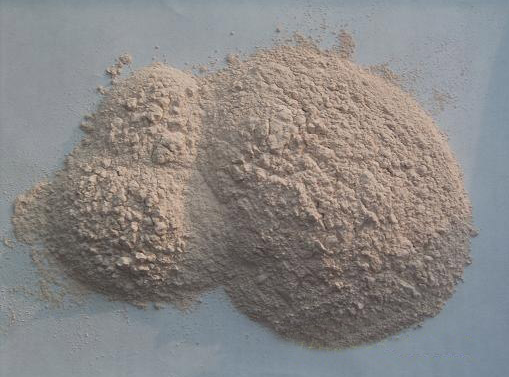
Magnesium oxide is a chemical compound with the formula MgO in the form of a soft, loose powder of white color.
- Применение:
Application Magnesia
It is used for the production of textured transformer steel, as well as in the production of special ceramics.
Packaging Magnesia
22.6 kg paper bags with polyethylene liner
StorageGuaranteed shelf life of the product: 1 year from the date of manufacture.

- Характеристики:
Bischofite is a mineral, 6-aqueous magnesium chloride.
Country of origin: Netherlands
- Применение:
Application Magnesium chloride
The main field of application is anti-dust road surface.
Also used as:- deicing agent
- as a raw material in the production of magnesium
- in the production of artificial stone
- in oil production - for the preparation of grouting and hardening mixtures
Packaging Magnesium chloride
25kg bags or 1000kg big bags
StorageThe product is extremely hygroscopic. Store in a dry place and quickly close open bags
- Характеристики:
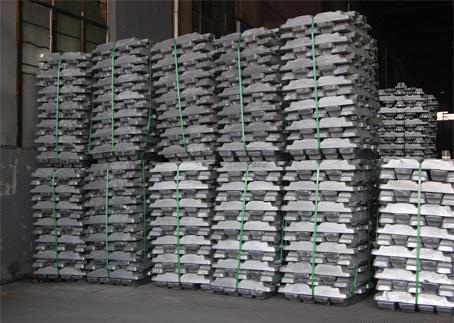
Appearance: ingots (ingots) of silver-white color.
The main deposits are located in the USA, Norway, China, and Russia.
- Применение:
Application Magnesium metal
Magnesium metal is used to obtain alloys based on cast iron, aluminum, in casting, metalworking,
and also used in the manufacture of parts for cars, aircraft, industrial products.
Packaging Magnesium metal
Magnesium in ingots is supplied in packaged form, on wooden or magnesium pallets.
- Характеристики:
It was first found in an epsom source in England.
Magnesium sulfate (magnesium sulfate) is an inorganic substance, a salt of magnesium metal and sulfuric acid with the formula MgSO4, white powder, forms several crystalline hydrates.
- Применение:
Application Magnesium sulfate
• Is used as an additive for the construction of road and airfield bases and coatings.
• Part of magnesia cement.
• It is used in the pulp and paper industry as a filler, as well as a component that allows you to maintain and improve the physical and mechanical properties of paper when using bleaches (especially chlorine-containing ones) and to obtain fire-resistant paper products.
• Magnesium sulfate is also used for the preparation of fire-resistant compositions for impregnation of various materials, for the production of synthetic detergents (for example, as a stabilizer for peroxide compounds).
• It is widely used in the textile industry as a filler for materials, a weighting agent for silk and cotton, a mordant for dyeing fabrics and as a bleaching agent.
Packaging Magnesium sulfate
Polypropylene or polyethylene bags of 25 kg, big bags of 600 and 1200 kg.
Storage
Guaranteed shelf life of the product: 2 years from the date of manufacture.
Shelf-life Unlimited.
Magnesium sulfate is stored in closed dry warehouses, which provide protection against moisture, contamination and mechanical damage to containers,
in shipping containers in stacks on racks or pallets installed on a flat, solid base.
- Характеристики:
Maleic anhydride is an organic compound, in its pure state it is a colorless or white solid with a pungent odor, consisting of colorless rhombic crystals.
Dissolving in water, it turns into maleic acid, which at 200 ° C can turn into fumaric acid.
Synonyms and international names Maleic anhydride
Cis-ethylene-1,2-dicarboxylic acid anhydride; 2,5-furandione, maleic anhydride
English. spelling: cis-Butenedioic anhydride; 2,5-furandione, toxilic anhydride, MA
- Применение:
Application Maleic anhydride
in the production of unsaturated polyester resins;
in the production of films and synthetic fibers;
in the production of pharmaceuticals;
in the manufacture of detergents;
in the production of plasticizers;
in additives and stabilizers for fuels;
when receiving fumaric and malic acid used in the food industry;
used in the purification of aromatic hydrocarbons from sulfur-containing and nitrogen-containing substances;
in the production of chemicals for agriculture.
Used with this product:- Benzoic acid
- TITANIUM DIOXIDE
- Propylene glycol (PG)

- Характеристики:
Industrial production of manganese begins with the extraction and processing of ores.
If manganese carbonate ore is used, then it is preliminarily subjected to roasting.
In some cases, the ore is further subjected to sulfuric acid leaching.
Then usually the manganese in the resulting concentrate is reduced with coke (carbothermic reduction).
Sometimes aluminum or silicon is used as a reducing agent.
For practical purposes, ferromanganese is most often used, obtained in the blast furnace process when reducing iron and manganese ores with coke. Ferromanganese has a carbon content of 6% to 8% by weight.
Pure manganese is obtained by electrolysis of aqueous solutions of manganese sulfate MnSO4, which is carried out in the presence of ammonium sulfate (NH4) 2SO4.
Synonyms and international names
Manganese, Manganese, Mn
- Применение:
Application Manganese
Manganese in the form of ferromanganese is used to "deoxidize" steel during its smelting, that is, to remove oxygen from it. In addition, it binds sulfur, which also improves the properties of steels. The introduction of up to 12 - 13% Mn into steel (the so-called Hadfield Steel), sometimes in combination with other alloying metals, greatly strengthens the steel, makes it hard and resists wear and impact (this steel sharply hardens and becomes harder upon impact). Such steel is used for the manufacture of ball mills, earthmoving and stone crushing machines, armor elements, etc. Up to 20% Mn is added to the "mirror cast iron".Buy Manganese and Packaging
Big bags of 1000 kgStorage
Expiration date: 36 months. Store in a tightly closed container in a cool, well-ventilated place.Used with this product:
- Orthophosphoric acid (phosphoric acid)
- Характеристики:
Polyisocyanate (Methylene diphenyldiisocyanate (MDI), diphenylmethane diisocyanate) is an aromatic diisocyanate.
It is commonly known as three isomers: 4,4-MDI, the most widely used isomer, also known as pure MDI and 2,2-MDI, 2,4-MDI.
Polyisocyanate is a dark brown liquid mixture of 4, 4-diphenylmethane diisocyanate (MDI) with isomers and homologues.
In the production of polyurethane foam (PPU), MDI is more often referred to as "component B" of a system that forms polyurethane by reacting with "component A".
Chemical formula C15H10N2O2
Synonyms and international name
polymethane polyphenyl isocyanate, polymethylene polyphenyl isocyanate, diphenylmethane diisocyanate, polymeric diphenylmethane diisocyanate, diphenylmethane-4.4'-diisocyanate, 4,4'-diisocyanatodiphenylmethane, 1-isocyano-4 - [(4-isocyanophenyl, B.] component)
- Применение:
Application MDI polyisocyanate
1) in the production of polyurethane foams, polyurethane foams, adhesives, varnishes and coatings2) in the production of CASE coatings (Coating, Adhesives, Sealants, Elastomers) adhesives, sealants and elastomers
3) in the production of polyurethane floors
4) in the production of prepolymers, sealing materials
Packaging MDI polyisocyanate
Metal drums of 250 kg.Used with this product:
- TITANIUM DIOXIDE
- Stearic acid MASFLEX
- Trichloroethyl phosphate (TCEP)
- Trichloropropyl phosphate
- Характеристики:
Melamine is a chemical (2,4,6-triamino-1,3,5-triazine), amino derivative of symmetric triazine, cyanamide trimer or cyanuric acid triamide, organic base, halogen-free flame retardant.
Chemically pure melamine is a colorless, odorless crystals that are practically insoluble in water and most organic solvents.
Melamine belongs to the class of cyclic cyanamides and has a set of properties resulting from the energy stability of triazine nuclei.
These include heat, light and chemical resistance, as well as the ability to form polyfunctional reactive chemical compounds.
That is why melamine is a valuable raw material for the production of many polymer compounds.
Synonyms and international name2,4,6-triamino-1,3,5-triazine, cyanuric acid triamide, Melamine
- Применение:
Application Melamine
• in the production of melamine-formaldehyde resins
• in the production of fire retardant paints, dyes and herbicides
• in the production of plant growth accelerators
• as a non-protein source of nitrogen for livestock
• in the textile industry as a fireproof impregnation
• in the production of plastic dishes
• for paper impregnation in order to increase its moisture resistance
Used with this product Melamine- Ammonium polyphosphate
- Pentaerythritol
- TITANIUM DIOXIDE
- Характеристики:
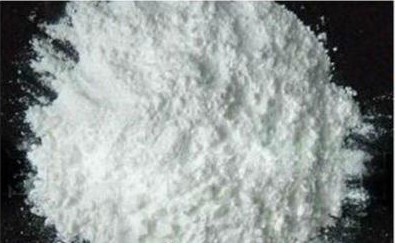
GOST 7579-76 import
It is used in paper and textile, leather, paint and varnish industries, as a raw material for aminoplasts.
- Характеристики:
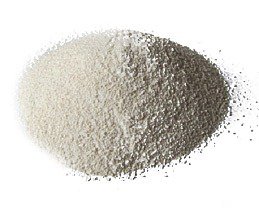
Methionine (2-amino-4-methylthiobutanoic acid, Met, M) is a colorless crystalline substance with a specific unpleasant odor.
Let's dissolve in water and partially soluble in ethanol. Insoluble in higher alcohols, diethyl ether, acetone, benzene.
Methionine contains an asymmetric carbon atom, respectively, there are two isomers - L-methionine and D-methionine.
Synthetic D, L-methionine is a racemic mixture.
L-methionine is an essential encoded amino acid that is not produced by animal organisms, which, accordingly, requires its supply from the outside.
Organisms are also able to metabolize D-methionine, converting it to the L-form.
Receiving.
In industry, racemic D, L-methionine is obtained from 3-methylthiopropionic aldehyde
- Применение:
Application.
as a feed additive for livestock;
as a drug for the treatment and prevention of diseases and toxic lesions of the liver, treatment of atherosclerosis;
- Характеристики:
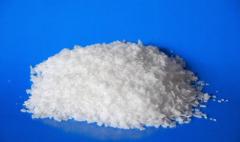
Myristic acid crystallizes in the form of leaves, is a waxy substance that is practically insoluble in water,
but dissolves only in benzene, chloroform, ethanol, ether and acetone. It is obtained mainly from nutmeg oil,
from solid triglyceride of myristic acid and extracted by pressing nuts Myristica moschata,
as well as from the oil of fruits of other Myristica species by saponification and distillation in a vacuum.
It is found in abundance in the form of the same triglyceride in Canarium commune oil, in small amounts in coconut oil and some other vegetable fats.
Synonyms and international names
Tetradecanoic acid, fatty organic acidEnglish. spelling: myristic acid, tetradecanoic acid
- Применение:
Application
Myristic acid is used:in the cosmetic industry (shampoo, shaving cream and soap);
in the food industry (flavoring).
in the tobacco industry
Packaging:
bag 25 kgStorage:
2 yearsUsed with this product:
- 12-hydroxystearic acid (12-HOSC)
- Alpha olefin sodium sulfonate (AOS, AOS)
- TITANIUM DIOXIDE
- Xanthan gum
- Lauric acid
- Oleic acid
- Palm oil
- Stearic acid MASFLEX
- Trilon B disodium salt
- Trilon B tetrasodium salt

- Характеристики:
N-Propyl acetate (N-propyl ether of acetic acid) belongs to the most common class of organic solvents - esters.
In terms of its dissolving power, it is similar to ethyl acetate and has wide practical application.
Synonyms and international names
N-Propyl Acetate, NPAC, 1-Propyl Acetate, N-Propyl Acetic Acid,Propyl Acetate, N-PROPYL ACETATE, 1-Propyl Acetate.
- Применение:
Application
Dissolves a wide variety of natural and synthetic resins.
Mixes well with many organic solvents, including alcohols, ketones, glycols and glycol ethers.
Promotes spreading and leveling of paints and varnishes.
Due to this property it is often used in wood varnishes.
Due to its low toxicity and pleasant fruity odor, propyl acetate is used in the perfumery industry.
It is also found in aerosols, personal care products, nail polishes, and more.
Propyl acetate is widely used in the printing industry as a solvent for flexographic and special inks.
Used to adjust the drying speed of flexo paints as an accelerator.
Packaging
N-propyl acetate (NPAC) is supplied in original containers from the manufacturer in 180 kg drums.
- Характеристики:
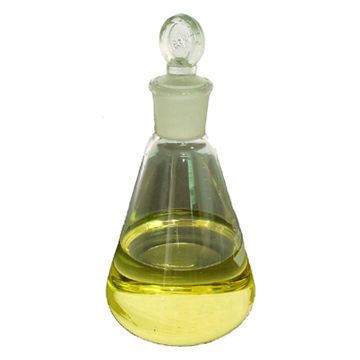
Oleic acid (9-octadecenoic acid) - an unsaturated fatty acid, is an oily liquid.
Does not dissolve in water; dissolves in ethanol, ether, benzene, chloroform.
Oleic acid is the most common unsaturated acid in nature.
Contained in many vegetable and animal fats in the form of esters - glycerides, is a part of animal fats and vegetable oils.
Synonyms and international names
9-octadecenoic acid, technical olein
English. spelling: Oleic acid, Fatty acid, 9-Octadecanoic acid Pamolyn, monounsaturated omega-9 fatty acid,
w-9 unsaturated fatty acid, (9Z) -Octadecenoic acid, (Z) -Octadec-9-enoic acid, cis-9- Octadecenoic acid, cis-Δ9-Octadecenoic acid
- Применение:
Application Oleic acid
as a plasticizer in the manufacture of paints and varnishes;
in soap making; in the production of coolant;
as a stabilizer of magnetic fluids based on hydrocarbon carriers of ferromagnetic particles;
in the production of lubricants; in the manufacture of detergents.
Wholesale Oleic acid
Used with this product:
- 12-hydroxystearic acid (12-HOSC)
- Lithium hydroxide (lithium oxide hydrate)
- Barium hydroxide (barium oxide hydrate)
- Diphenylamine
- Stearic acid MASFLEX
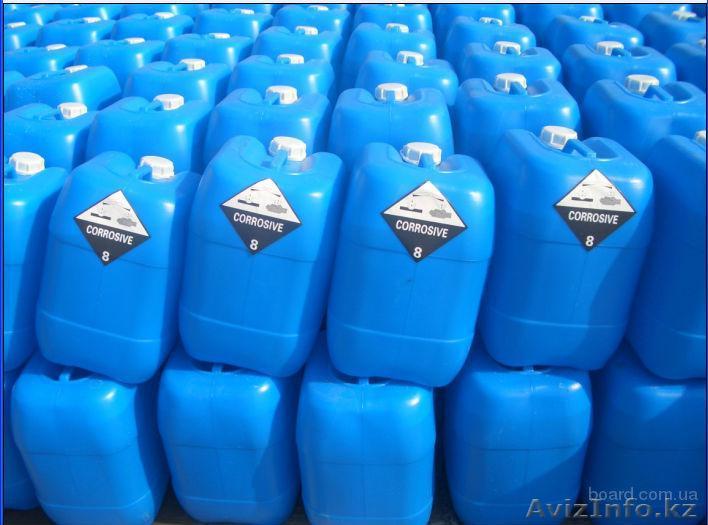
- Характеристики:
Orthophosphoric acid (phosphoric acid) is an inorganic acid, which under standard conditions is colorless hygroscopic crystals.
Above 213 ° C, orthophosphoric acid is converted to pyrophosphoric acid H4P2O7.
Very soluble in water.
Often, orthophosphoric (or simply phosphoric) acid is called an aqueous solution (a colorless, odorless syrupy liquid). Also soluble in ethanol and other solvents.
Synonyms and international names
Phosphoric acid, O-phosphoric acid, Phosphoric acid, Orthophosphoric acid
- Применение:
Application Orthophosphoric acid
Industrial orthophosphoric acid is the most important intermediate product for the production of phosphoric and complex fertilizers and industrial phosphates;it is also widely used for the phosphating of metals, as a catalyst in organic synthesis.
Food grade phosphoric acid is used to make soft drinks, medicines, dental cements, etc.
Packaging
Cans 35 kg, IBC-containers 1600,1700 kg.
Storage
Shelf life - 1 year from the date of manufacture.

- Характеристики:
U 2431-001-55980238-02, import
It is used in the textile and leather industry as a mordant; as a component of anode baths for coating deposition; as a reagent in analytical and organic chemistry; as a component of compositions for cleaning metals; in microscopy as a bleaching agent for slices; as an active additive in whitening creams
Oxalic acid is a colorless crystal. It is obtained by oxidizing ethylene glycol with a mixture of nitric and sulfuric acids in the presence of a vanadium pentoxide catalyst. Oxalic acid and its salts are toxic. Oxalic acid salts and esters are called oxalates.Belongs to strong organic acids. It has all the chemical properties of carboxylic acids. It is soluble in water and alcohol, insoluble in benzene and chloroform.
International synonyms and names
Ethanediolic acid dihydrate, Oxalic acid, Oxalic acid, Oxalic acid dihydrous, Ethanedionic acid, Ethanedioic acid dihydrate, Oxalic acid dihydrate
- Применение:
Application Oxalic acid
- in household chemicals as one of the main components of cleaning and detergents;
- in the chemical industry in the production of various substances, including the production of dyes and intermediates;
- in textile production as a textile auxiliary substance;
- in the leather industry as a mordant;
- in pharmaceuticals;
- in cosmetics it is used as an active additive in whitening creams for freckles.
Packaging Oxalic acidPolyethylene bags 25 kg
Used with this product:
- Benzoic acid
- Glycerin

- Характеристики:
Paratoluenesulfonic acid monohydrate or tosilic acid (TsOH) is an organic compound with the formula CH3C6H4 SO3H.
Toluenesulfonic acid is a white solid, soluble in water, alcohols and other dipole organic solvents.
4-toluenesulfonic acid is an organic-soluble acid catalyst in organic synthesis.
The catalyst is used in the esterification of carboxylic acids or the transesterification of esters.
The compound is used as a reducing agent for the reductive amination of ketones and aldehydes.
Synonyms and international names
Paratoluenesulfonic acid (4-Methylbenzenesulfonic acid; Tosic acid; p-TSA; p-Tolylsulfonic acid,4-methylbenzene sulfonic acid; PTSA, toluosulfonic acid, p-toluenesulfonic acid, p-toluenesulfonic acid, paratoluenesulfonic acid, toluenesulfonic acid)
- Применение:
Application
P-toluenesulfonic acid is used as a catalyst in the chemical industry.A laboratory reagent, a solvent in the forestry and woodworking industries, used in the manufacture of varnishes for parquet and painted wood coatings.
Packaging
Two-layer packaging, 25 kg polypropylene plastic bags, lined with PVC bags from the inside.Storage
The shelf life of paratoluenesulfonic acid is 1 year from the date of manufacture.Used with this product:
- 3-aminopropyltriethoxysilane MASSIL AMEO (AGM-9)
- Furfuryl alcohol
- Triacetin (TA)

- Характеристики:
Import
Used for azo dyes, medicines, fragrances, photoreagents, antioxidants
The main application of Para-cresol is the production of ionol (2,6-di-tert-4-methylphenol),a non-toxic stabilizer for plastics, rubbers, and some oil and food products.
Special types of poorly soluble resins can also be obtained from Para-cresol.
Deliveries are carried out in special ISO tanks due to the specifics of the product
(liquid, crystallizing at a certain temperature and requiring heating before draining from the ISO tank).
ChemPartners work with the three largest Chinese manufacturers,
so they can offer the most competitive prices with delivery directly to your facility.

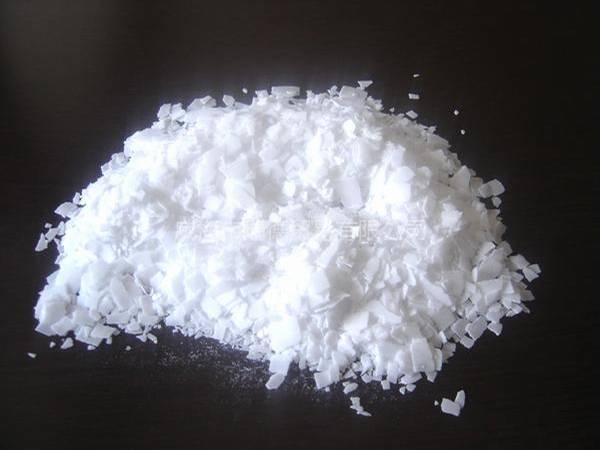
- Характеристики:
Pentaerythritol is an organic compound - tetrahydric alcohol - 2,2-dimethylol-1,3-propanediol.
Pentaerythritol is a crystalline white solid with a molecular weight of 136.15.
Pentaerythritol possesses all the properties of polyhydric alcohols, is readily soluble in glycerin, in water, and practically does not dissolve in common organic solvents.
Pentaerythritol is a multifunctional non-toxic product that does not form toxic compounds with other substances both in the air and in wastewater.
Micronized pentaerythritol is a finely dispersed white powder, which, when exposed to temperatures above 250 ° C, ensures the formation of a dense carbonic crust with low thermal conductivity, which significantly reduces the thermal effect on the protected material or structure.
Synonyms and international name
Monopentaerythritol, penta, micronized pentaerythritol, pentaerythritol
- Применение:
Application
in the production of polyesters, incl. alkyd resins for paints and varnishes;
for the manufacture of printing inks;
in the production of synthetic lubricating oils;
in the production of pentaplast;
in the production of stabilizers and antioxidants for polymers;
as a component of polyurethane paints for the production of substances for the textile industry;
for the synthesis of surfactants.
Used with this product:
- Melamine
- Ammonium polyphosphate
- TITANIUM DIOXIDE
- Характеристики:
TU 6-01-46-89-387-16-89
It is used in the production of phthalic acid derivatives, glyphthalic and pentaphthalic resins, intermediates and dyes.

- Характеристики:
PLASTGEL is a multifunctional reagent for a wide range of applications in oil production processes.
PLASTGEL has been successfully applied:
In technologies for increasing oil production by polymer flooding.
As a high performance clay inhibitor in drilling fluids
The reagent has a unique composition, it is capable of forming a precipitate and a gel simultaneously with water containing Ca and (or) Mg ions, the higher their content, the greater the amount of precipitate and the viscosity of the gel.If the water is not mineralized enough, calcium chloride (CaCl2) is added to the water. Inside the rock of the oil field, it interacts only with the rock and the highly mineralized water in it, but not with the oil.
The use of PLASTGEL composition in the oil industry allows:
Improve the efficiency of oil recovery from heterogeneous reservoirs
Reduce water cut of produced oil from unproductive water injection
Reduce the cost of waterproofing work.
PLASTGEL reagent provides:Maintaining the original borehole diameter
Wellbore stability
Homogeneity of the drilling mud in the case of highly polyvalent aggression, that is, it is a protective agent for polysaccharides (biopolymers, starches.
When opening the productive horizon, there is no need to install a silicate bath, due to the fact that the composition already contains a high-modulus sodium silicate, which additionally reinforces the walls of the well.
The shelf life is 24 months from the date of production.
- Применение:
Application:
Oil industry
Drilling mud
Enhanced oil recovery (EOR)
As a high performance clay inhibitor in drilling fluids.

- Характеристики:
Low pressure polyethylene - advantages
Low pressure polyethylene is one of the most demanded in modern production. This is explained by the significant number of advantages of this material.The advantages of lldpe linear polyethylene are:
resistance to deformation
low cost
stretch ability
elasticity
strength
instant heat weldability
A wide range of products is produced from HDPE in modern industry, which is necessary both in production and in everyday human life.From the entire list of manufactured goods, it is possible to single out products from HDPE, which can be considered the main associative products:
packaging of industrial goods
food packaging
greenhouse film
canisters for various liquids
automotive products
joints of structures, nodes and fittings
toys for kids
Trash bags
household basins and other containerscommunication elements and pipes for hot and cold water
Today lldpe is widely used in production. It is used to produce a film that is highly resistant to cracking and mechanical damage. In addition,
HDPE polyethylene is transparent and provides excellent oxygen barrier properties.
Despite the fact that low-density polyethylene is necessary in many areas of production, it is not so easy to acquire high-quality HDPE.
We offer reliability and a guarantee for the goods produced and sold.
Our company offers certified high quality HDPE at reasonable prices, and guarantees the customer the purchase of goods in the most convenient way.

- Характеристики:
Advantages: in comparison with phosphoric acid, the product in question contains a greater amount of phosphorus oxide, which significantly saves the resources available at the location for the production of one or another compound.
When producing complex fertilizers with polyphosphoric acid, the resulting product will not require additional drying.
Synonyms and international names
Polyphosphoric acid, mixture of pyrophosphoric, metaphosphoric and superphosphoric acids, Polyphosphoric acid, PPA
- Применение:
Application
oil refining industry (used for polymerization);
industrial chemistry (used as a catalyst);
modifier in the production of road bitumen.
PackagingCans of 20 liters (40 kg); barrels of 200 l (340 kg);
ISO tank 19 - 25 t; IBC container 1000 l (2 t)
Storage
The shelf life is 1 year from the date of manufacture.
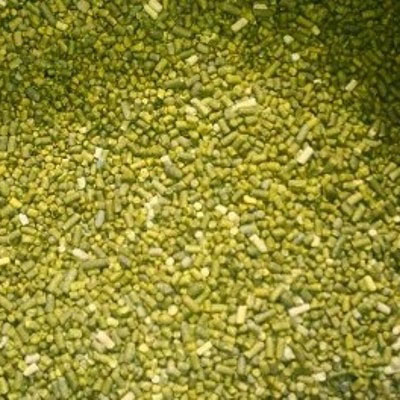
- Характеристики:
Potassium butyl xanthate
Sodium butyl xanthate, 1st grade
Isobutyl sodium xanthate, 1st grade
Sodium isopropyl xanthate, 1st grade
Basic substance content,% min: 90.0
Free alkali,% max: 0.2
Moisture and volatility,%: 4.0
Potassium butyl xanthate is light gray to yellow crystals with a specific odor. Designed for use as a collecting reagent (flocculant) in ore dressing by flotation and in the hydrometallurgical industry.Synonyms and international names
Potassium Butyl Xanthane
- Применение:
Application
for use as a collecting reagent (flocculant) in ore dressing by flotation
for flotation of all sulphides, as well as oxidized lead and copper minerals after their sulphidization.
Storage
6 months from the date of production.Used with this product:
- Calcium hypochlorite
- Dimethyl phthalate (DMF)
- Copper sulfate (copper sulfate)
- Caustic soda
- Sodium cyanide

- Характеристики:
Propylene carbonate well dissolves hydrogen sulfide, CO2, COS, CS2, RCH and hydrocarbons, has a weak corrosive effect in relation to ordinary carbon steels, is chemically stable under the process conditions, and has a low saturated vapor pressure.
Synonyms and international names
1,2-propylene carbonate, 4-methyl-1,3-dioxolan-2-one
- Применение:
Application
solvent for polymers in the textile industry;
a starting material for the synthesis of monomers and polymers, plasticizers, modifiers, plant protection products;
starting or intermediate product in the production of 1,2-propylene glycol;
highly polar electrolyte (chemical current sources, capacitors);
absorbent of СО2, Н2S and СOS from natural and synthetic gases;
an aromatic hydrocarbon extractant; - dehumidifier of gaseous formaldehyde; - a component of molding sands in the foundry industry;
in cosmetics it is used as a transparent, odorless solvent with a high boiling point. In cosmetics and personal care products,
ropylene carbonate is used in the formulation of cosmetics, mainly lipsticks, eye shadows, mascaras, and skin cleansing products.
Propylene carbonate is used to dissolve other substances and is rarely used with clay gelling agents. In the formulation of makeup bases, propylene carbonate is used as a mineral dissolving agent.
Packaging
Steel drums of 250 kg.Storage
The shelf life of propylene carbonate is 1 year from the date of manufacture.Used with the product:
- Propylene glycol (PG)
- Paratoluenesulfonic acid (PTSA)
- Triacetin (TA)
- Furfuryl alcohol
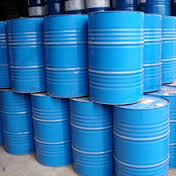
- Характеристики:
Methoxypropanol is a colorless, water-miscible liquid with a mild alcoholic odor and medium volatility.
Methoxypropanol mixes well with water and other organic solvents, dissolves many organic substances well, methoxypropanol can act as a substitute for many glycols (E-series).
Methoxypropanol is used as a solvent for printing inks: it provides good solubility for a wide range of resins including acrylic, epoxy, alkyd, polyester, nitrocellulose and polyurethane resins.
Benefits of using methoxypropanol:
low toxicity.Reduced surface tension and good volatility are some of the benefits of using methoxypropanol.
These properties allow this substance to be used to dissolve polar and non-polar materials.
Combination:
methoxypropanol, can be used in combination with other solvents of the P-series: (glycol ethers) and expands their scope.Methoxypropanol has a very low primary alcohol content of less than 2%. Primary alcohol is much more active than secondary alcohol.
The low primary alcohol content minimizes chemical reactions with the solute.
Synonyms and international names
Methoxypropanol (PM, PGME, Propylene Glycol Monomethyl Ether, 1-Methoxy-2-Propanol,1-Methoxy-2-Propanol, Methoxypropanol, Propylene Glycol Methyl Ether)
- Применение:
Application
printing industry
cosmetics industry
agrochemistry
Automotive industryas part of cleaning agents in the production of LCD panels
in the polymer industry as a solvent for PVC
Packaging
Methoxypropanol (PM) is supplied in its original containerfrom the manufacturer in 190 kg drums.

- Характеристики:
Propylene glycol is a clear, colorless, slightly viscous, water-soluble, odorless, hygroscopic liquid with low vapor pressure.
Manufactured and used in accordance with modern production and quality control standards.
Unlike many other glycols, it is non-toxic, not dangerous even with prolonged inhalation of vapors and does not cause poisoning if accidentally ingested. Propylene glycol is approved in most countries as a food additive E1520.
Synonyms and international names
1,2-propylene glycol, 1,2-dioxypropane, monopropylene glycol, propylene glycol heat transfer fluid, PG, PGI, Propane-1,2-diol, PropyleneGlycol
- Применение:
Application
• in the production of unsaturated polyester resins (for the construction industry and automobile production), elastic polyurethanes, alkyd resins
• as a solvent for natural and synthetic substances in the preparation of ointments, pastes, creams, shampoos, etc. in the pharmaceutical and cosmetic industry
• in the food industry (E1520) as a solvent for food additives and a tobacco humidifier (due to its hygroscopicity)
• in the manufacture of brake fluids, antifreezes, anti-icing fluids and coolants
• as a propylene glycol heat carrier for heating systems
• as a plasticizer in the production of cellophane and polyvinyl chloride films
• in the composition of animal feed - a moisturizer, an emulsifier, a preservative, a solvent for additives (in Europe - different maximum content for different animal species), a source of energy and as a drug to prevent ketonemia (acetonemia) in dairy cattle.
Packaging
Propylene glycol is supplied in original containers from the manufacturer in 215 kg drums.
- Характеристики:
Terephthalic acid is a pure white powder obtained by oxidation of paraxylene in the presence of catalysts and acetic acid.
Does not form monomeric anhydride; when heated with acetic anhydride converts to polymeric anhydride.
The interaction of terephthalic acid with alcohols leads to the formation of esters, of which dimethyl terephthalate is of the most practical importance.
Synonyms and international names
RUS: Terephthalic acid (TPA), p-benzenedicarboxylic acid, 1, 4-benzenedicarboxylic acid, p-phthalic acid,OTPA purified terephthalic acid
ENG: Purified terephthalic acid (PTA), p-benzenedicarboxylic acid, 1, 4-benzenedicarboxylic acid, p-phthalic acid,
PTA purified terephthalic acid, TPA
- Применение:
Application
The main area of application is the production of polyethylene terephthalate (PET),
much smaller volumes are used in the production of dimethyl terephthalate and polybutylene terephthalate (PBTF).
A transparent heat-resistant polymer, polyethylene terephthalate, is synthesized from terephthalic acid.
It is obtained by polycondensation of ethylene glycol with terephthalic acid.
Bottles are made of it, polyester fiber terylene (another, more common name - lavsan is an abbreviation for "Laboratory of High Molecular Compounds of the Academy of Sciences"), packaging materials, including those for the food industry, radio components, and chemical equipment.
To obtain PET for food purposes, the content of impurities in TPA is of great importance - products of incomplete oxidation of paraxylene, that is, terephthalic acid of grade A is required, with a minimum content of impurities.
Based on this, the volume of production of terephthalic acid is mainly determined by the demand from the manufacturers of polyester products. Esters of terephthalic acid - diethyl terephthalate and dimethyl terephthalate - are of great importance.
Terephthalic acid dimethyl ester is one of the most important chemical products used for the production of polyester fibers, polyoxadiazoles, polybenzimidazoles, alkyd resins and plasticizers.
Packaging
Big bags 1.1 tons, bags-tabs
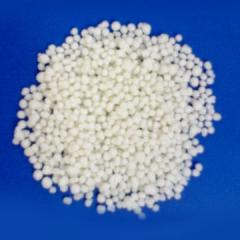
- Характеристики:
Sebacic acid (decanedioic acid) HOOC (CH2) 8COOH is a dibasic saturated carboxylic acid. It has all the chemical properties of carboxylic acids.
Salts and esters of sebacic acid are called sebacate manganese sulfate MnSO4, which is carried out in the presence of ammonium sulfate (NH4) 2SO4.
In industry, sebacic acid is obtained mainly from castor oil.
When heated with water (200-225 ° C; 1.8-2.5 MPa), glycerin and a mixture of carboxylic acids containing 80-85% ricinoleic acid are formed;
decomposition with the last alkali at 250 ° C followed by saponification of the resulting sodium sebacate with mineral acids leads to the release of sebacic acid.
A promising method for obtaining sebacic acid is anodic condensation of monomethyl adipate to dimethyl sebacate,
followed by hydrolysis of the diester.
Sebacic acid can also be obtained by oxidizing cyclodecane with HNO3 or from 1,3-butadiene and ethylene.
Synonyms and international names
1,8-octanedicarboxylic, decanedioic acid, SEBACIC ACID
- Применение:
Application
It is used for the production of cold-resistant plasticizers such as dioctyl sebacate, dimethyl sebacate, dibutyl sebacate.Also used in the production of polyamide plastics.
In addition, it is used as a stabilizer in alkyl resins, maleic and other ethers, polyurethanes, paints and varnishes, in the production of low-temperature lubricants.
Packaging
25 kg bagsStorage
The shelf life of sebacic acid is 2 years from the date of manufacture.Used with this product:
- 12-hydroxystearic acid (12-HOSC)
- Stearic acid MASFLEX
- Trilon B tetrasodium salt
- Trilon B disodium salt
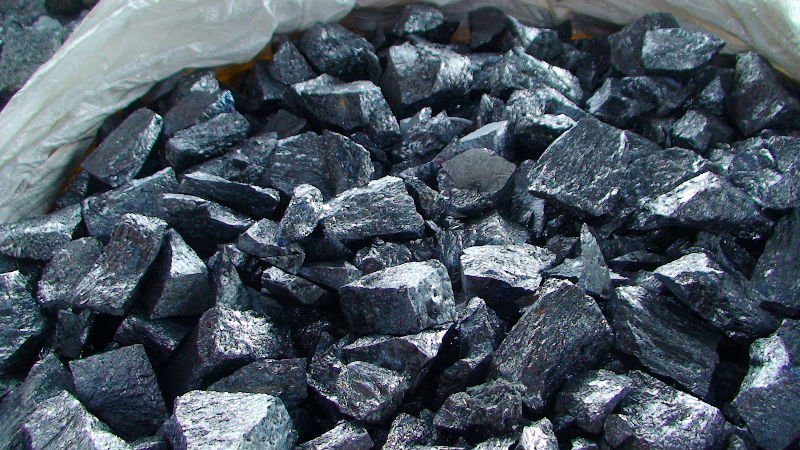
- Характеристики:
Silicon occupies the second position after oxygen in terms of abundance in the thickness of the earth's crust and is the basic element of the high-tech industry.
Today, metal silicon is obtained in industry in slightly different ways, since there are only a few deposits of pure native silicon in nature.
Mainly silicon metal is produced on an industrial scale by the action on silicon dioxide, which is often found in the earth's crust, with coke in arc furnaces, with its further purification from impurities with fluorine, chlorine and acids.
Metallic silicon plays an important role in the production of ferrosilicides.
The main consumer of this material is ferrous metallurgy, which uses the material in the production of steel and cast iron.
In addition, metallic silicon is in demand by factories producing aluminum and its alloys, chemical industries, and the semiconductor industry.
Today silicon metal is also used in the production of glass and ceramics, diodes and transistors, synthetic rubber and plastics.
Its relatively low cost explains the fact that for more than a century the material has not found a worthy replacement.
- Применение:
Application
as a raw material for metallurgical production: alloy component (bronze, silumin); a deoxidizer (in iron smelting);a modifier of the properties of metals or an alloying element (for example, the addition of a certain amount of silicon in the production of transformer steels reduces the coercive force of the finished product), etc .;
as a raw material for the production of purer polycrystalline silicon and purified metallurgical silicon (in the literature "umg-Si");
as a raw material for the production of organosilicon materials, silanes;
as a raw material for the manufacture of high quality semiconductor materials;
as a raw material for the production of solar cells (solar cells).
PackagingSilicon is supplied in big bags of 500 and 1000 kg.
Used with this product:
- Metallic magnesium
- Manganese (Mn)
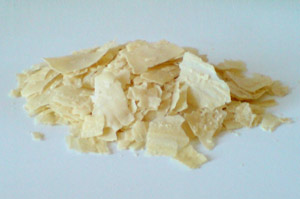
- Характеристики:
Soap shavings of vegetable origin are a product produced from refined deodorized purified (RDO) Palm oil and refined deodorized purified (RDO) Palm kernel oil, as well as Coconut oil, with the addition of ingredients necessary in the composition mixture for the subsequent manufacture of toilet soap.
Synonyms and international names
Soap chips, semi-finished soap, shavings for washing, soap noodles
English. spelling: soap noodles, soap noodle, toiletry, toilet soap, Sodium Salts of Distilled Palm / Palm Kernel Fatty Acid
- Применение:
Application
in the production of washing powders to increase foaming;
for the production of soap for various purposes as the main material;
as an independent detergent;
for hand and machine wash.
PackagingBag 25 kg
Storage
2 years
Used with this product:
- Oleic acid
- Stearic acid MASFLEX
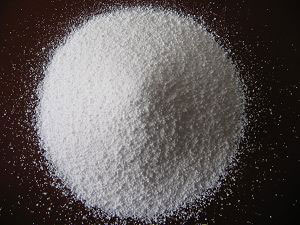
- Характеристики:
GOST 5100-85 m. B,
highest grade
It is used for the production of synthetic detergents and fatty acids, in the purification of brines,
in the production of phosphoric, chromium, barium, sodium salts as a carbonate-containing raw material,
in the production of glycerols; pulp and paper, aniline and paint and varnish and oil industries
- Характеристики:
Acrylic Acid AMPS Copolymer
Synonyms and international names
Acrylic acid AMPS copolymer, acrylic acid - copolymer of acrylomidometryl propolyphosphate acid copolymer,
polymer 2-methyl-2 - ((1-oxo-2-propenyl) amino) -1-proponisulfanoic acid, 1-proposulfanoic acid, AA / AMPS
English. writing: sodium AA-AMPS; AA-AMPSA; Acrylic Acid-2-Acrylamido-2-Methylpropane Sulfonic Acid Copolymer;
Sulfonated Polyacrylic Acid Copolymer
- Применение:
Application
as an inhibitor of salt deposition and a dispersant additive in the circuits of water cooling systems;
metallurgical production, preventing the precipitation of iron oxide;
as an auxiliary element in textile dyeing.
Used with this product:- Oxyethylidene diphosphonic acid (HEDP)
- Nitrilotrimethylphosphonic acid (NTF)
- Trilon B disodium salt
- Trilon B tetrasodium salt

- Характеристики:
Alpha olefin sodium sulfonate (AOS) is an odorless white or light yellow powder. It is an anionic surfactant, highly foamy wetting agent, emulsifier, detergent, and can be used as a viscosity regulator.
Resistant to acids and alkalis, retains its properties in water of any hardness.
Synonyms and international names
AOS, sodium alpha olefin sulfonate, sodium alpha olefin sulfonate, sodium sulfonated linear hydrocarbon,sodium α-olefin sulfonate, sodium alpha olefin sulfonate, Tainolin AOS-97P, Sulfodet, AOS.
English. spelling: Sodium Alpha-Olefine Sulfonate, AOS, alpha olefin sulphonate sodium salt.
- Применение:
Application
• for the production of cleaners with a high level of foaming;
• for the production of non-contact car shampoos
• for the production of carpet and upholstery cleaning products
• for the production of cosmetic products
• for the production of household chemicals
• for the production of polymers
• for the production of artificial leather
• in the textile industry.
Packaging:25 kg bags.
Used with this product:- Oxyethylidene diphosphonic acid (HEDP)
- Nitrilotrimethylphosphonic acid (NTF)
- Trilon B tetrasodium salt
- Trilon B disodium salt
- Lauric acid
- AMPS (AA / AMPS, acrylic acid)
- Paratoluenesulfonic acid (PTSA)
- Характеристики:
Sodium benzoate is a product of the neutralization reaction of benzoic acid with sodium hydroxide.
On the surface, sodium benzoate is granules that dissolve well in water, have a sweetish taste, odorless or with a slight benzaldehyde odor.
Synonyms and international names
Purox S, sodium benzoate, sodium benzoic acid, E211
English. spelling: sodium benzoate, Purox S, E211, Benzoic acid sodium salt
- Применение:
Application
in the food industry, for canning meat and fish products, margarine, mayonnaise, ketchup, fruit and berry products, drinks, etc.;
as a preservative in the cosmetic industry; - as a preservative in pharmaceuticals;
in the production of hygiene and cosmetic products,
in the tobacco industry to prevent mold from smoking and chewing tobacco;
as an inhibitor added to automotive engine coolants.
Used with this product:
- Trilon B disodium salt
- Trilon B tetrasodium salt
- Stearic acid MASFLEX
- Sulfamic acid

- Характеристики:
Sodium cyanide is the sodium salt of hydrocyanic acid.
Colorless hygroscopic crystals, readily soluble in water (32.4% at 10 ° C, 45.0% at 35 ° C).
It crystallizes in the form of NaCN • 2H2O, above 34.7 ° C - in anhydrous form.
Synonyms
Sodium cyanide, sodium cyanide, NaCN
- Применение:
Application
- Used in the preparation of cyanide baths intended for galvanizing and gilding metal products.Cyanide baths are the most highly toxic. Also, the composition includes sodium hydroxide and zinc oxide, changing the content of which, you can give different properties to the electrolyte.
The advantages of cyanide baths are high productivity, good hiding power, which allows processing parts with complex shapes, durability and ease of maintenance.
The disadvantages include high pollution with environmental waste and hydrogen fragility, which is the most noticeable disadvantage of cyanide baths.
Hydrogen brittleness significantly reduces the fatigue strength of some steel grades and therefore it is not recommended to galvanize fastener parts with a size less than 0.5 mm using this method.
- Also used in cyanide gold mining.
Used with this product:
- Calcium hypochlorite
- Caustic soda
- Thiourea (thiocarbamide)
- Xanthogenates
- Характеристики:
Sodium fluoride (NaF) is a mineral that is widely used in modern industrial and manufacturing industries.
In appearance, sodium fluoride is a white or gray crystalline powder that is soluble in water.
The main properties of NaF: it is characterized by odorlessness, solubility in water (about 4.5%), remarkable antiseptic properties.
Synonyms and international names:
Fluosen, Coreberon, Sodium fluoride, Sodium fluoride, Sodium Fluoride
- Применение:
Application:
- Toothpastes. Sodium fluoride and the resulting fluorapatite are used to strengthen tooth enamel,
which itself contains fluorapatite. In addition to adding fluoride to toothpastes, drinking water is fluoridated.
Toothpaste often contains sodium fluoride, which is essential to prevent tooth decay.
- Sodium fluoride is used as a detergent.
- Used in synthesis and in metallurgy, is a reagent in the synthesis of freons.
- Used to preserve tissue samples in biochemistry and drug testing; fluorine ions stop glycolysis.
Sodium fluoride is often used in conjunction with syodoacetic acid, which inhibits the production of the enzyme aldolase.
- Used as a component of compositions for cleaning and aluminizing metals, fluxes for welding,
soldering and remelting metals, glasses, enamels, ceramics, refractories, as a component of acid-resistant cement,
heat-resistant lubricants, glass etching compositions, solid electrolytes, as a wood preservative, insecticide,
sorbent for absorption of UF6 from gas streams, a reagent for the production of fluorocarbons,
as a component of special grades of paper, as a fermentation inhibitor, a component of fire retardants and fire extinguishing agents.
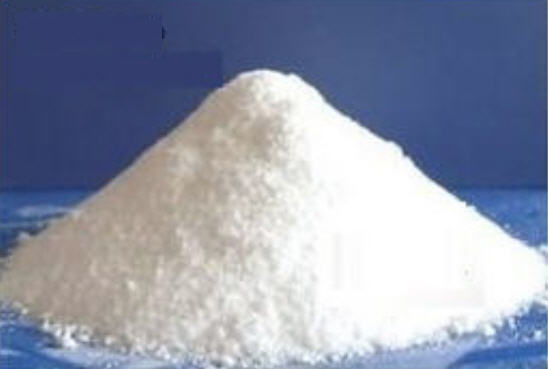
- Характеристики:
Sodium formate is a white or gray crystalline powder without foreign impurities visible to the naked eye.
Sodium formate, a chemical compound with the formula HCOONa, a by-product of the production of pentaerythritol.
Used as a reducing agent in organic synthesis.
Technical sodium formate is sodium formate with a slight admixture of pentaerythritol and its derivatives.
Let's well dissolve in water, slightly soluble in alcohols, insoluble in ethers.
Explosion-proof and non-flammable, however, smoking and use of open flames should be prohibited in the storage and handling of sodium formate.
Synonyms and international namesSodium salt of formic acid, sodium formate, Sodium formate
- Применение:
Application
as an antifreeze additive;
in the production of monolithic concrete and reinforced concrete structures;
as an agent in pre-tanning operations in the production of leather goods;
as a raw material in the production of formic acid.
Packaging25 kg bags
Storage
The shelf life is 1 year from the date of manufacture.

- Характеристики:
Sodium gluconate is used in industrial alkaline cleaning solutions.
In this application, it is particularly effective, even when compared to agents such as NTA and EDTA.
Sodium gluconate is commonly used in liquid formulations in combination with other ingredients such as surfactants, sodium hydroxide, sodium silicate, and phosphates.
Such formulations can be more effective due to the synergism arising from the combination of the properties of two or three components:
Trisodium phosphate, used as a detergent, does not have complexing properties and in hard water can precipitate calcium in the form of insoluble phosphate salt. Sodium gluconate added to the solution reacts with calcium ions to form a soluble careless compound. Surfactants are generally more effective in soft or demineralized water.
Since it is very expensive to demineralize water, adding sodium gluconate to the formulation is an economical solution.
Silicates complement the action of sodium hydroxide by imparting increased alkalinity and preventing corrosion.
Sodium gluconate imparts synergy to these properties.
Due to the combination of complexing, dispersing and anticorrosive properties, high solubility and increased stability in a strongly alkaline environment, sodium gluconate is the best complexing agent for creating alkaline formulations.
Synonyms
monosodium salt
Sodium Gluconate
- Применение:
Application
Sodium gluconate is mainly used as food and food additives.
Sodium gluconate in the food industry is a complexing agent and flavor enhancer (food additive designed to enhance taste sensations by increasing the sensitivity of taste buds).
In addition to the indicated name of the substance, industrial designs are also used called sodium gluconate, sodium D-gluconate, sodium salt of D-gluconic acid.
As a component, sodium gluconate is irreplaceable in alkaline compounds.
Packaging
Bags 25 kg
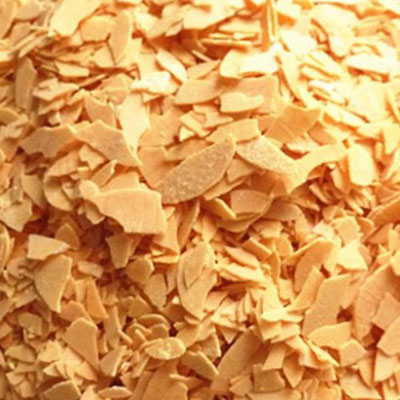
- Характеристики:
Sodium hydrosulfide is a white or colorless hygroscopic crystals readily soluble in water.
Forms crystalline hydrates. It is a weakly hydrolyzable salt - an acidic salt of sodium and hydrogen sulfide.
It melts without decomposition; in the molten state, sodium hydrosulfide has a black color.
A typical reducing agent, oxidized by atmospheric oxygen.
Synonyms and international names
Sodium sulfohydrate, sodium sulphide acid, sodium bisulfide, Sodium Hydrosulfide (NaHS)
- Применение:
Application
used in the leather industry as a component of the composition for removing the outer layer of skins;used as a raw material in the chemical industry (for the production of ethyl mercaptan, butyphos, dyes), in the textile industry
PackagingSodium hydrosulfide is packed in 25 kg polypropylene bags.
Storage
Sodium hydrosulfide is stored in closed dry warehouses.
Isolation of hydrogen sulfide from sodium hydrosulfide solution is possible, therefore, storage of sodium hydrosulfide together with liquids, especially acids, is unacceptable.
The guaranteed shelf life of the product is 1 year from the date of manufacture.
Used with this product:
- Caustic soda
- Potassium oxide hydrate (potassium hydroxide)
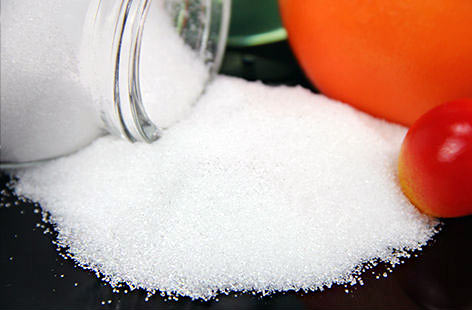
- Характеристики:
TU 2121-278-00204197-01, import
Used for cleaning industrial equipment from mineral deposits;
as a raw material for the synthesis of fire-resistant materials and herbicides;
in electroplating in the production of electrolytes; as well as when processing the bottom-hole zone of oil wells in order to increase the recovery of oil.
- Характеристики:
GOST 2184-77
It is used as an intermediate product for the production of mineral fertilizers, as well as salts, acids;
it is also used in the production of dyes, chemical fibers, in the metallurgical, textile, food industries.


- Характеристики:
TU 9192-002-00352816-04
Used in chemical production, medicine, perfumery

- Характеристики:
Perchlorethylene is an organic compound that is stable at temperatures up to 500 ° C in the absence of a catalyst, moisture and oxygen, but slowly decomposes on contact with water to form trichloroacetic and hydrochloric acids. Non-flammable.
Belongs to the group of chlorine solvents. It is a colorless liquid, almost insoluble in water. A characteristic smell appears in the air.
Synonyms and international names
PCE, tetrachlorethylene
English. spelling: Tetrachloroethene, Perchloroethylene (PCE)
- Применение:
Application
as an inert solvent capable of dissolving many organic substances.
As such, it finds application in the processes of dry cleaning of linen (dry cleaning);
for degreasing metal and other surfaces in mechanical engineering and instrument making;
when processing photopolymer printed circuit boards - when producing needles for disposable syringes;
is a part of paint washes;
as an intermediate in the production of azone-saving freons;
as an intermediate in the preparation of trichloroacetic acid;
in the textile and woodworking industry.

- Характеристики:
Receive
In the production of phthalero anhydride from orthoxylene.
Appointment
In the production of anti-corrosion materials, plasticizers, resins, industrial rubber goods.
SAFETY REQUIREMENTSThe remainder of the phthalic anhydride production is a combustible substance. MPC in the air of the working area -1 m g / m3, by degree
exposure to the body belongs to the 3rd class of hazard (moderately hazardous substance).Weak irritating effect
on the upper respiratory tract, irritant effect on the mucous membranes of the eyes and skin.TRANSPORTATION
By rail and road.
TU 38.602-22-59-97 with amendment No. 1,2
It is used in the production of anticorrosive materials, plasticizers, resins, rubber products.
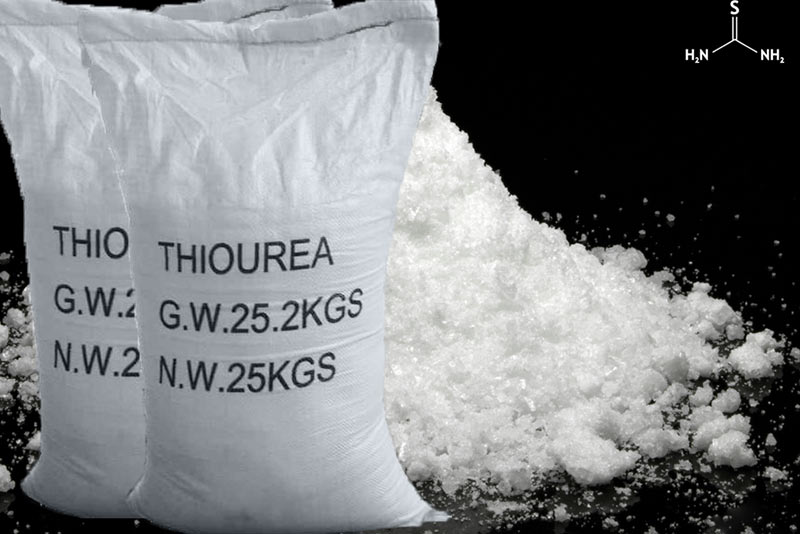
- Характеристики:
Thiourea, also called thiocarbamide, is a grayish, yellowish or white crystal.
The mass fraction of thiourea in terms of dry matter is not less than 98%.
The mass fraction of losses during drying is no more than 5%, and the fraction of water-insoluble substances is 0.2%.
Synonyms Thiourea
Thiocarbonic acid diamide, thiocarbamide
- Применение:
Application Thiourea
for the synthesis of mercaptans, thiols;
in the production of various dyes;
in the manufacture of synthetic resins;
when separating paraffins, in the form of a flotation agent when enriching ore;
also as a reagent in the photometric determination of substances such as bismuth, ruthenium, osmium and rhenium;
as an inorganic fertilizer and fungicide.
Packaging Thiourea25 kg bags
Used with this product:
- Calcium hypochlorite
- Caustic soda
- Sodium cyanide
- Характеристики:
Titanium dioxide is an amphoteric oxide of tetravalent titanium. It is the main product of the titanium industry.
Can be used as food coloring E171. A white powdery substance with a melting point of 1870 ° C, insoluble in water, acids and dilute alkali solutions.
Evaporating temperature 2500 - 3000 ° C. Density 3.9 - 4.25 g / cm³. The most stable white pigment known.
When heated, it turns yellow, which disappears after cooling. In nature, it occurs in three modifications: the minerals rutile, anatase and brookite, which differ in different crystalline structures.
Titanium dioxide is characterized by high reaction resistance to various compounds, including toxic ones contained in the air.
Synonyms and international names
Titanium oxide (IV), titanium dioxide, titanium white, titanium anhydride, CI 77891,Pigment white, Titanic acid anhydride, Titanium oxide
- Применение:
Application
in the production of polymer products;
in the production of paints and varnishes, as titanium white: glossy, matt and semi-matt, acrylic, water-dispersion and silicate, organosilicon, powder, emulsion paints and with fillers for various construction, repair and industrial works, printing; varnishes and enamels, mixtures and solutions for priming, putty, plaster, cementing, as well as polyurethane and epoxy coatings, including for wood, fire retardants and paints for road marking;
in the production of plastics, as a filler: ensures the resistance of products and surfaces to changes in light and weather, resistance when changing the environment, protection from aggressive factors;
in the production of printing ink: to increase the resistance of coatings to weathering;
in the production of laminated paper: white, colored, impregnated;
in the production of synthetic fibers and fabrics: for matting of twisted fibers;
in the production of cosmetic products: for protection from ultraviolet radiation in sunscreens, for giving a high whitening and opaque damping effect in toothpaste, for the production of soap, nail polish, eye shadow, etc .;
titanium dioxide can be used as a catalyst, photocatalyst and as an inert ceramic base material for active components;
in the manufacture of rubber products: as a filler; titanium dioxide can be used in glass production: heat-resistant and optical glass;
as a refractory: coating of welding electrodes and coatings of casting molds;
in the production of nanotechnology: titanium dioxide nanopowders, the use of titanium dioxide for air purification in cities, nanofiber paper based on titanium dioxide, hydrogen energy, etc.
PackagingTitanium dioxide is supplied in containers from manufacturers:
25 kg p / p bags, big bags.
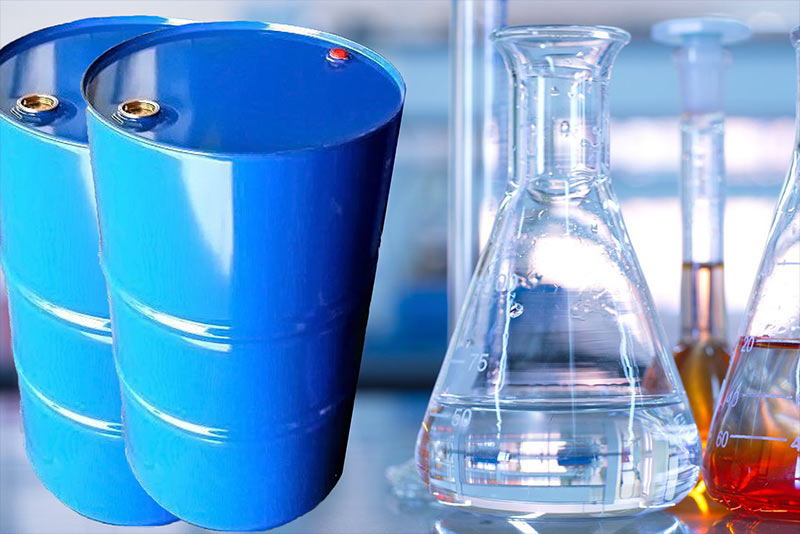
- Характеристики:
TU 38.301-19-97-96 rev. 1-3
Used as a raw material for the production of caprolactam
- Характеристики:
Triacetin (food additive E1518) is an oily liquid, odorless, colorless, not very soluble in water.
One of the glycerin esters is full, acetic.
Due to its properties, triacetin improves the quality of various food products, is used as a stabilizer that preserves the freshness of products, is not subject to fermentation, and does not have harmful effects.
Synonyms and international names
TA, Glycerol Triacetate, 1,2,3 Propantriol Triacetate, Triacetin, Glycerol Triacetate, E1518
- Применение:
Application
food industry;
the tobacco industry;
foundry industry;
cosmetic industry;
polymer industry.
PackagingTriacetin (TA) is supplied in original containers from the manufacturer:
in barrels of 240 kg, IBC-containers of 1150 kg.

- Характеристики:
Trichloroethyl phosphate is a complete ether of phosphoric acid and ethylene chlorohydrin with a small mass of 285.49.
Appearance: low-viscosity transparent oily liquid.
Synonyms and international names
TCEP
English. spelling: AURORA KA-1645, PHOSPHORIC ACID TRIS (2-CHLOROETHYL) ESTER, TCEP,TRICHLOROETHYL PHOSPHATE, Trichlorethyl phosphate, TRI-2-CHLOROETHYL PHOSPHATE, TRIS (2-CHLOROETHYL) PHYPHATE
- Применение:
Application
as a fire retardant and plasticizer in the production of polymer materials;
as a fire retardant in the production of fire-resistant laminated decorative boards;
as a plasticizer in the production of PVC-based artificial leather;
in compositions based on nitrocellulose to obtain linoleum;
in the production of decorative coatings from acetal plastics;
in the production of adhesives with increased water resistance;
in the production of laminated glass.
Used with this product:- Trichloropropyl phosphate
- Характеристики:
GOST 9976-94, import
It is used for the production of herbicides, refrigerants, various acids. Also, the drug is widely used for degreasing metal products, as a solvent for resins, dyes, bitumen, phosphorus and other chemicals
Colorless, transparent, mobile, volatile liquid with a peculiar odor, reminiscent of chloroform, and a sweet, pungent taste. Density 1.462 - 1.466. Fully distilled at +86 - 88 ° C. Practically insoluble in water; miscible with organic solvents, non-flammable and non-explosive. Under the action of light and air, it decomposes with the formation of phosgene and halogenated acids and acquires a pink color. To stabilize trichlorethylene, 0.01% thymol is added to it.
Synonyms international and name
Trilene, chlorylene, narcogen, tretylene, trichlorethylene, trichloran, trichlorene, trilene, trimar. trichoraetylenum
- Применение:
Application
as a specialized industrial solvent;
as a component involved in the synthesis of herbicides, monochloroacetic acid, herbicides and carboxymethyl cellulose;
as an anesthetic; as a solvent.
Packaging
Tanks of 290 kg, ISO tanks
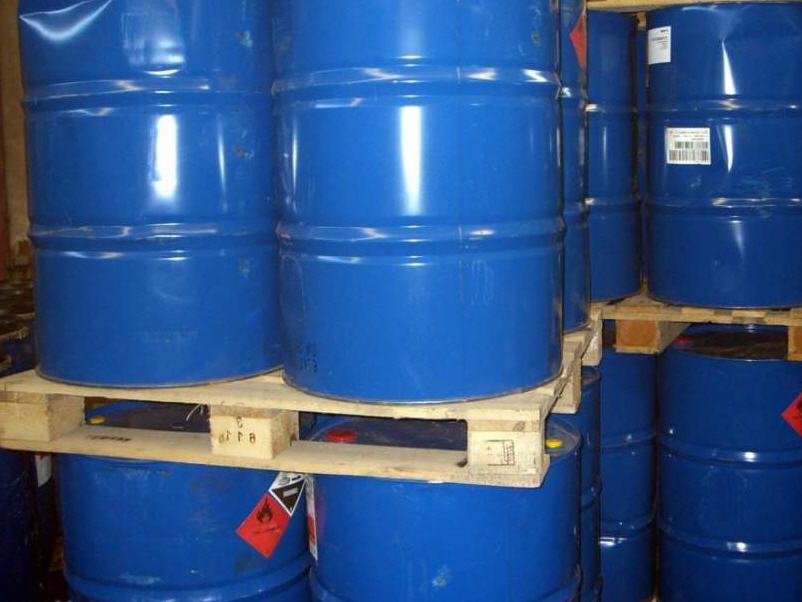
- Характеристики:
Triethylamine, a tertiary amine, is a colorless liquid with a specific amine odor. Triethylamine is poorly soluble in water, readily soluble in acetone, miscible with ethanol.
Synonyms and international name
Triethylamine, Diethylaminoethane, N, N-diethylethanamine, TEA. (Diethylamino) ethane, N,
N-Diethylethanamine, Triethylamine, Triethylammonium acetate, Triethylammonium bromide, TEA
Triethylamine use
production of plastics;
production of mineral fertilizers;
resin production;
production of rubbers;
production of various types of fuel.
PackagingBarrels of 150 kg, ISO tanks 17.2 tons.
Used with this product:
- Diethylamine
- Monoethylamine

- Характеристики:
TRILON B (complexone III, chelaton III, EDTA - C10H14O8N2Na2 * 2H2O) is the trade name of the disodium salt of ethylenediaminetetraacetic acid and is a crystalline powder or white crystals, readily soluble in water, very slightly soluble in alcohol.
TRILON B is used for the production of car shampoos for contactless washing, household chemicals and synthetic detergents, washing heat and power and industrial equipment (in particular, for cleaning boiler pipelines and heating elements from scale and rust), water treatment in boiler rooms and heating systems, etc.
You can buy high quality disodium and tetrasodium EDTA salts from our warehouse in Moscow or Yekaterinburg. If necessary, we are ready to offer a trial batch or samples for testing. Complex supplies of TRILON B and other chemical raw materials for production are also possible.
- Применение:
Used with this product:
- Oxyethylidene diphosphonic acid (HEDP)
- Nitrilotrimethylphosphonic acid (NTF)
- Alpha olefin sodium sulfonate (AOS, AOS)
- Lauric acid
- AMPS (AA / AMPS, acrylic acid)
- Paratoluenesulfonic acid (PTSA)
- Trilon B tetrasodium salt
- Характеристики:
Trichloropropyl phosphate is a complete ester of phosphoric acid and chloropropyl alcohol with a molecular weight of 327.56. Appearance: oily transparent liquid.
Synonyms and international names
TCPP, tris (2-chloropropyl) phosphate, TCPP, Tris (1-chloro-2-propyl) phosphate, Phosphoric acid tris (2-chloropropyl) ester
- Применение:
Application
as a fire retardant and plasticizer in the production of polymer materials;
as a fire retardant in the production of fire-resistant laminated decorative boards;
as a plasticizer in the production of PVC-based artificial leather;
in compositions based on nitrocellulose to obtain linoleum;
in the production of decorative coatings from acetal plastics;
in the production of adhesives with increased water resistance;
in the production of laminated glass.
Storage conditionsTrichloropropyl phosphate is stored in a hermetically sealed container in covered warehouses.
Under proper conditions, the product retains its properties for 6 months.
Used with this product:
- Thiourea (thiocarbamide)
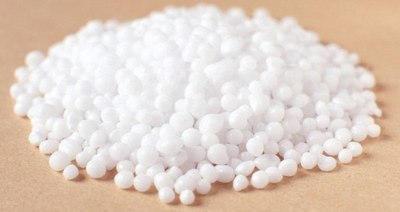
- Характеристики:
Carbamide (urea, carbonic acid diamide) is odorless, colorless crystals.
Solubility (g in 100 g of solvent): in water - 51.8 (20 ° C), 71.7 (60 ° C), 95.0 (120 ° C);in liquid ammonia - 49.2 (20 ° C, 709 kPa), 90 (100 ° C, 1267 kPa); in methanol - 22 (20 ° C); in ethanol - 5.4 (20 ° C);
in isopropanol - 2.6 (20 ° C); in isobutanol - 6.2 (20 ° C); in ethyl acetate - 0.08 (25 ° C); insoluble in chloroform.
The carbamide molecule has a flat structure.
Properties
When heated to 150 ° C and above, urea is successively converted into NH4NCO, NH3, CO2, biuret, cyanuric acid; in a closed vessel, especially when ammonia is added to the amination products of cyanuric acid, for example melamine. In dilute solutions at ~ 200 ° C,
complete hydrolysis of carbamide with the formation of ammonia and carbon dioxide is possible.
Hydrolysis is accelerated in the presence of acids and alkalis
In molten form, urea reacts with alkali metals and their amides to form cyanamide salts.Alkylation of carbamide produces alkyl-substituted ureas RNHCONH2; under the action of alcohols, NH2COOR urethanes.
In industry, carbamide is obtained by the Bazarov reaction:
2NH3 + CO2 = NH2COONH4 + 125.6 kJ / mol
NH2COONH4 = (NH2) 2CO + H2O -15.49 kJ / mol
- Применение:
Application
Urea is used as a concentrated nitrogen fertilizer (contains about 46% N) for many crops on all soils, as well as a substitute for natural protein in feed for ruminants.
Urea derivatives are effective herbicides. Urea is a raw material for the synthesis of valuable chemical products: carbamide resins, melamine, cyanuric acid and its esters, NaCN, KCN, hydrazine, hydrazoformamide, as well as pharmaceuticals (veronal, luminal, bromural, etc.), some dyes.
In the oil industry, urea is used for dewaxing oils and motor fuels with the release of soft paraffin - raw materials for the production of protein-vitamin preparations, fatty alcohols and acids, and detergents.
- Характеристики:
Acetic acid vinyl ester. Chemical formula: C4H6O2.
It is a clear, colorless liquid with a characteristic ethereal odor. The boiling point is 73 ° C. Vinyl acetate is highly soluble in organic solvents and to a limited extent in water. It is obtained by vinylation of acetic acid with acetylene in the presence of catalysts.
In terms of chemical properties, vinyl acetate is a typical vinyl ether. In solutions of acids or alkalis, it hydrolyzes to form acetic acid and acetaldehyde. Reacts with carboxylic acids in the presence of Hg salts to form new vinyl esters. It polymerizes under the influence of light, radical initiators.
The modern method of producing vinyl acetate is, in fact, a special kind of the Wacker process, where acetic acid is used instead of water.
Vinyl acetate has a narcotic and general toxic effect, irritates the eyes and upper respiratory tract. The permissible level of vinyl acetate emitted into the air from building materials is 0.2 mg / m3.
Synonyms and international names:
VAM (Vinyl acetate monomer)
- Применение:
Application:
-Vinyl acetate is the main raw material for the production of polyvinyl acetate, polyvinyl alcohol and acetals based on it, as well as various copolymers of great industrial importance.
-Vinyl acetate is used as a monomer to obtain polymers and copolymers that have a very wide range of practical applications: from vinyl records (in the form of a copolymer with vinyl chloride) to various kinds of adhesives, varnishes and emulsion paints based on copolymers of vinyl acetate with acrylic acid esters.
Packaging
Metal barrels with a volume of 180 liters.On request: Plastic barrels
Storage
Shelf life 2 years.
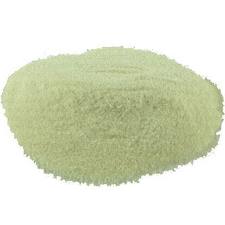
- Характеристики:
Xanthan gum (Xanthan gum, XANTHAN GUM) is a high performance biopolymer with excellent rheological properties. Small amounts of xanthan can provide sufficient suspension without adding large amounts of commercial clay solids. XANTHAN GUM Biopolymer is most effective in minimizing potential damage to pay zones and helping optimize drilling practices. At elevated temperatures, xanthan gum provides stable rheological characteristics and gives better results.
Xanthan gum produces drilling fluids with extremely low solids content and excellent bulk and suspension properties. This is due to thixotropy, i.e., with an increase in shear stress, the viscosity decreases, with a decrease in stress, the initial viscosity is instantly restored, which provides:
• minimal settling of drill cuttings in static conditions;
• improved well flushing at lower bentonite concentrations;
• reduction of circulation pressure losses;
• optimal hydraulic mode of the bit, which increases the ROP.
Xanthan gum is a versatile product and can be used in most types of water-based solutions. It is also compatible with most of the other drilling fluid additives most commonly used in these fluids, although it is always recommended that prior testing be performed before using any questionable product combination.
Xanthan is effective in freshwater and brine-based drilling fluids, as well as a variety of workover and brine-based injection fluids over a wide pH range.
Synonyms and international names
Xanthan gum, xanthan gum, xanthan gum, xanthan biopolymer, xanthan thickener for drilling fluids, E415, XANTHAN GUM, XANPLEX, XANPOL, Ziboxan, Zibozan.
- Применение:
Application:
• Vertical and horizontal drilling
• Drilling of large diameter wells
• Well injection fluids
• Solutions for opening formation
• Drilling fluids without solids for well injection and workover fluids
• Solutions for coring
• Operations with gravel pack
• Clean spacer fluids for perforating work
• Plasticizer-reducing fluid friction for coiled tubing operations
• Profile modification
• Fracturing fluids
• Thickener for hydrochloric acid
• Prevention of casing bending in the well when using barite-containing solutions
• Thickener at low concentrations of solutions, as well as to stabilize emulsionsBenefits:
• Stable regulation of the rheological characteristics of the solution
• Excellent suspension capabilities
• Produces shear thinning slurry for optimum ROP
• Good performance in solutions based on fresh water, seawater, brines and brine
• Fast dispersion
• Minimal material consumption compared to other thickeners
• High compatibility with other drilling fluid additives
• Combination with various gelling polymer compounds
• Minimal damage to the formation during work
• Reduced circulation pressure loss
• Effective plasticizer-friction reducerPackaging
Xanthan gum is supplied in original 25 kg bags from the manufacturer. Packing in big bags is possible.Used with this product:
- Guar gum
- Propylene glycol (PG)
- Triacetin (TA)
- Glycerin
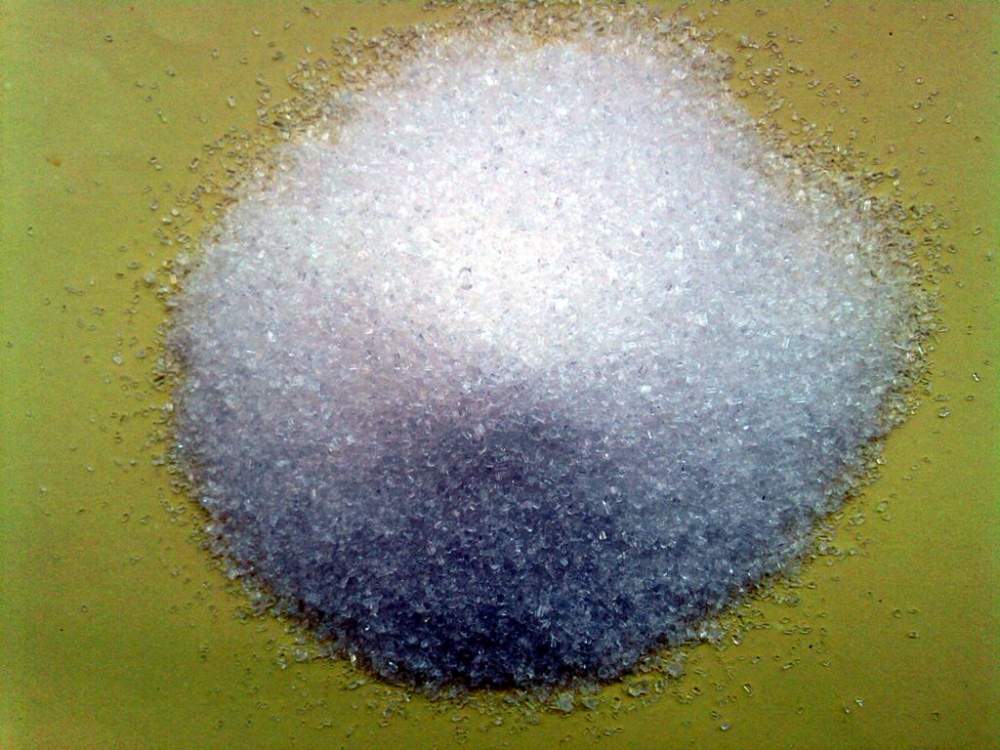

- Характеристики:
Zirconium (Zirconium silicate) (lat. Zirconium; denoted by the symbol Zr) is an element of a secondary subgroup of the fourth group of the fifth period of the periodic system of chemical elements of D. I. Mendeleev, with atomic number 40. The simple substance zirconium is a shiny silver-gray metal. Possesses high ductility, corrosion resistance. It exists in two crystal modifications: α-Zr with a hexagonal lattice of the magnesium type, β-Zr with a cubic body-centered lattice of the α-Fe type, the α↔β transition temperature is 863 ° C. Zirconium silicate is a finely ground white powder made from zirconium ore.
Synonyms
Zircon, zirconium silicate, zirconium oxide, zirconium oxide
English. Writing: zircon, zirconium silicate, zirconium oxide
- Применение:
Application
in the production of ceramic products (in sanitary ceramics for the preparation of glaze, glaze masses);
when painting metal surfaces (as a surface muffler, to give a bright shiny color);
in the production of glass products;
in nuclear power (for the manufacture of fuel elements, assemblies in the design of nuclear reactors);
in the production of bone, joint and dental prostheses and surgical instruments;
in metallurgy it is used as a master alloy (a good deoxidizer and denitrogenator of alloy steel);
in the production of refractory materials (brick, clay, cement, asbestos, concrete, electrodes, etc.)
Packaging
Zirconium silicate is supplied in containers from manufacturers in 25 kg bags.
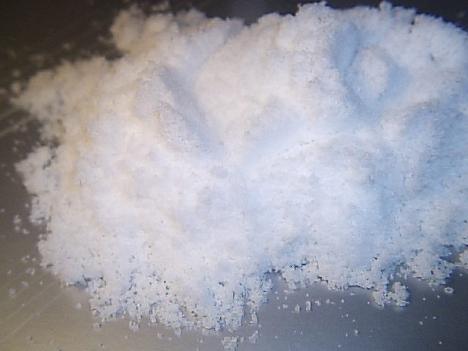
- Характеристики:
Ammonium chloride is the technical name for ammonia (NH4C). It is a powder or granules of white, yellow or pinkish color, depending on the brand produced. Let's well dissolve in water and ammonia, has no smell. In application, ammonium chloride is moderately hazardous in terms of its effect on the body, it is fire and explosion proof, and has a hazard class 3. When heated to 338 ° C, it completely decomposes into NH3 and HCl.
Synonyms and international names
Ammonium chloride, Ammonii chloridum
- Применение:
Application
as a nitrogen fertilizer (up to 25% N) for neutral and alkaline soil types;
as a flux for brazing: to remove oxide film from metal surfaces;
in galvanic cells as an electrolyte component;
as a smoke generator;
as a hardener of urea-formaldehyde resin in the production of chipboard;
in the oil industry: to enhance oil recovery of productive formations;
in photographs as a quick fix component.
Packaging
25 kg bagsStorage
Shelf life - 1 year from the date of manufacture.